Latest Stories
Most recently published stories in The Swamp.
How Does Iran’s Khorramshahr-4 Missile Change the War Equation?. AI-Generated.
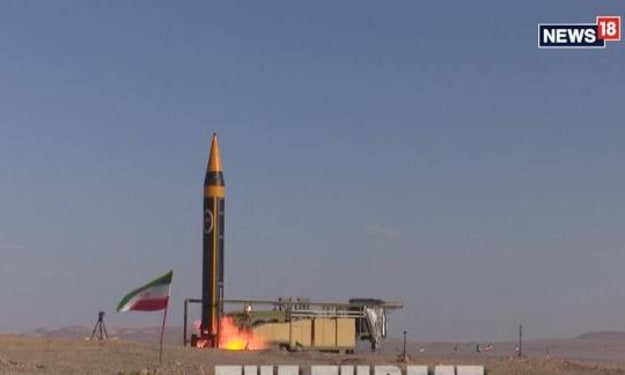
Iran’s recent deployment and public showcasing of the Khorramshahr-4 ballistic missile — also known as Kheibar — has sparked serious analysis among military and geopolitical analysts over how the weapon may alter deterrence and conflict dynamics in the Middle East. The missile, unveiled by Iran’s Islamic Revolutionary Guard Corps (IRGC) and placed in fortified underground “missile cities,” underscores Tehran’s intent to maintain and expand its strategic strike capability amid rising tensions with the United States, Israel, and Gulf partners. Middle East Monitor A Step Change in Iranian Strike Capability The Khorramshahr-4 is an advanced variant of Iran’s long-range ballistic missile family. With a declared range of approximately 2,000 kilometers, it can reach targets deep into the Middle East, including Israel, U.S. military bases in the region, and potentially beyond. It carries a large payload capability — around 1,500–1,800 kilograms — enabling a significant destructive potential. en.wikipedia.org This range and payload place the missile in the intermediate-range ballistic missile (IRBM) category, significantly enhancing Iran’s ability to project force beyond its immediate borders. Unlike older missiles that required lengthy fueling and preparation, the Khorramshahr-4 uses storable hypergolic fuel, allowing it to remain ready for launch on shorter notice — reportedly with launch prep times of around 12 minutes. Default The missile’s upgraded guidance and airframe also distinguish it from predecessors. A mid-course navigation system enables in-flight adjustments outside of the atmosphere, increasing accuracy and reducing vulnerability to electronic warfare. The composite body and mobile launch platform further improve survivability and operational flexibility. en.wikipedia.org Deterrence and Threat Perception Iranian officials have framed the Khorramshahr-4 as a cornerstone of “active deterrence.” By publicly displaying the missile’s capabilities and embedding it within hardened underground facilities, Tehran sends a clear message to adversaries that military options against Iran would entail substantial risk and complexity. Brigadier General Yadollah Javani of the IRGC described the missile’s destructive power as evidence that Iran will not compromise its defensive capabilities, even during sensitive diplomatic negotiations. Regional governments and defense analysts see this as part of a broader Iranian strategy to deter strikes on its nuclear and military infrastructure by ensuring credible retaliation potential. In past conflicts — including the intense exchanges between Iran and Israel in 2025, which involved hundreds of ballistic and cruise missiles — Iranian strike capabilities were a central factor in strategic calculus. Al Jazeera Centre for Studies The Khorramshahr-4’s speed — reportedly reaching hypersonic velocities up to Mach 16 outside the atmosphere and around Mach 8 upon re-entry — complicates the ability of missile defense systems to intercept it effectively, shortening reaction times and increasing the likelihood of penetration. JVIM Expanding the Strategic Picture While the missile’s primary strategic impact lies within the Middle East, its broader implications are global. A reliable IRBM enhances Iran’s leverage in negotiations and its deterrence posture against U.S. and allied forces. It also influences how regional partners, including Saudi Arabia and Gulf states, perceive security threats — often prompting them to deepen defensive cooperation with Western allies. Moreover, the very act of deploying such systems inside underground “missile cities” signals continued prioritization of ballistic capabilities even as Iran formally engages in diplomatic talks over nuclear issues. Tehran maintains it seeks fair negotiations and insists discussions focus on nuclear programming, even as its missile force grows. Daily Sabah A Changing Military Doctrine? Some observers argue that the Khorramshahr-4 reflects a shift in Iranian military doctrine from purely defensive to more assertive posturing. Press reports linked the missile’s deployment to a broader strategic framework that includes potential retaliation scenarios against U.S. bases and allied positions in the event of conflict escalation. This aligns with public statements indicating that Iran would defend its territory and interests robustly without seeking outright war. Breitbart However, it is important to temper analysis with understanding of regional power balances. While the Khorramshahr-4 boosts Iran’s strike range, it does not fundamentally equalize capabilities with major powers like the United States. U.S. missile defenses, intelligence networks, and conventional force posture still outweigh Iranian capabilities. But the psychological and deterrent effects of such missiles — especially when paired with proxy networks and asymmetric strategies — are significant. International Response and Risks The deployment has drawn concern from Washington, which continues to press Tehran to curtail ballistic missile development alongside nuclear restraint. U.S. officials argue that expanding long-range missile programs complicates diplomatic efforts and increases the risk of miscalculation in a volatile security environment. Allied nations in the Gulf and Europe have similarly underscored the need for dialogue and restraint. Analysts warn that while missiles alone do not determine conflict outcomes, their existence raises the stakes and narrows crisis management options. Accidental or deliberate escalation could have consequences far beyond the region, affecting global energy markets and defense alliances. Conclusion The Khorramshahr-4 missile represents a significant enhancement of Iran’s ballistic capability, extending its reach, improving readiness and precision, and reinforcing deterrent messaging. While not fundamentally altering the global strategic balance, it reshapes the war equation in the Middle East by raising the potential costs and complexities of military confrontation with Tehran. As Iran continues to tout the missile’s capabilities and integrate it into its arsenal, policymakers and analysts will be watching closely — both for how it affects deterrence and for whether it influences future negotiations and conflict dynamics across the region.
By Fiaz Ahmed 2 days ago in The Swamp
Hegseth Says Defense Department Will Cut Ties With Harvard. AI-Generated.
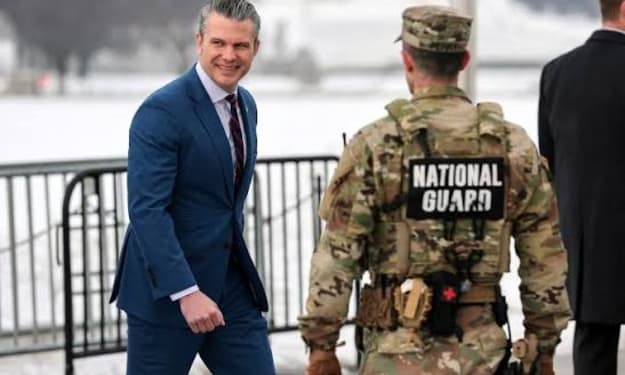
The U.S. Department of Defense will sever institutional ties with Harvard University, Secretary of Defense Pete Hegseth announced this week, citing concerns over what he described as “political activism, ideological bias, and misalignment with national security priorities” at the nation’s oldest university. The decision marks a dramatic escalation in tensions between the Trump administration and elite academic institutions, and signals a broader shift in how the Pentagon intends to work with universities on research, training, and policy development. Speaking at a press briefing at the Pentagon, Hegseth said the move was intended to protect the integrity of military partnerships and ensure that taxpayer-funded defense programs were aligned with the administration’s vision of national interest. “The Department of Defense will not partner with institutions that prioritize political ideology over patriotism and readiness,” he said. “We are reviewing all academic relationships to ensure they serve the mission of defending the American people.” A Longstanding Relationship Comes Under Scrutiny For decades, Harvard has maintained close connections with the U.S. military and national security agencies. Its Kennedy School of Government has trained generations of diplomats and defense officials, while university researchers have received Pentagon funding for work in areas such as artificial intelligence, cybersecurity, and biomedical science. Faculty members have also served as advisers on defense strategy and international policy. Hegseth’s announcement suggests that these partnerships will now be suspended or terminated. Pentagon officials said contracts and cooperative agreements involving Harvard are under review, with an emphasis on redirecting funding to institutions deemed more supportive of the administration’s priorities. Although no specific dollar figures were released, defense analysts note that Harvard-related projects represent only a small fraction of the Pentagon’s research budget. Symbolically, however, the decision carries weight because of Harvard’s influence in shaping policy debates and educating future leaders. Political and Cultural Tensions The decision comes amid heightened political scrutiny of universities over issues such as free speech, diversity policies, and protests related to foreign conflicts. Administration officials have repeatedly accused Ivy League schools of fostering environments hostile to conservative viewpoints and insufficiently supportive of U.S. military objectives. Hegseth, a former Fox News host and Army veteran, has long criticized elite institutions for what he calls “detachment from ordinary Americans and service members.” In his remarks, he argued that Harvard and similar universities had “lost their way” by embracing what he described as activist culture rather than national service. The Pentagon’s move also follows weeks of congressional hearings in which Republican lawmakers questioned whether federal funding should continue flowing to universities accused of tolerating anti-American or anti-Israel protests. Some lawmakers praised Hegseth’s decision as overdue, while others warned it could politicize defense research and undermine innovation. Harvard’s Response Harvard University responded cautiously, saying it was reviewing the Defense Department’s statement and seeking clarification. In a brief written response, a university spokesperson said Harvard “remains committed to academic freedom, rigorous research, and serving the public interest, including through partnerships with government agencies.” The statement added that the university has worked with the Defense Department for decades on projects intended to improve security, public health, and technological advancement. “We believe that open inquiry and collaboration strengthen national resilience,” the spokesperson said. Several faculty members expressed concern that the decision could harm students and researchers who rely on federal grants. One professor involved in defense-funded technology research described the move as “deeply troubling,” warning that political criteria could replace scientific merit in future funding decisions. Broader Implications for Defense Research Experts say the Pentagon’s decision could set a precedent affecting other universities. If Harvard is excluded, similar scrutiny could be applied to institutions such as Stanford, Yale, or MIT, which also have extensive defense partnerships. “This is not just about Harvard,” said a former Defense Department official. “It’s about whether academic independence can coexist with a government that wants ideological alignment from its partners.” The Defense Department spends tens of billions of dollars annually on research and development, much of it conducted at universities. These projects have historically fueled advances in computing, medicine, and aerospace. Critics fear that narrowing the pool of eligible institutions could slow innovation and weaken the U.S. technological edge. Supporters of the move argue the opposite: that defense funding should go to schools that emphasize national service and military cooperation rather than activism. Some conservative think tanks applauded the announcement, saying it sends a message that federal partnerships come with expectations of loyalty and shared values. A Signal to Higher Education The announcement fits into a broader campaign by the Trump administration to reshape its relationship with higher education. Beyond the Defense Department, other agencies are reportedly reviewing grants and contracts with universities over compliance with federal guidelines and political neutrality. Hegseth framed the decision as part of a cultural reset. “We want institutions that respect the military, honor the flag, and prepare students to serve the country, not tear it down,” he said. Whether the policy will survive legal challenges or future administrations remains uncertain. Harvard could seek to contest the termination of specific contracts, especially if they involve long-term research commitments. For now, the decision underscores how deeply politics has entered the realm of academic-government cooperation. What was once a largely technical partnership focused on research and training has become a battleground over ideology, culture, and the meaning of public service. As the Pentagon reassesses its academic ties, the break with Harvard may be only the first chapter in a larger reordering of how the U.S. military engages with the nation’s universities.
By Fiaz Ahmed 2 days ago in The Swamp
After ‘Good Start’, Iran and U.S. Resolve to Keep Talking. AI-Generated.
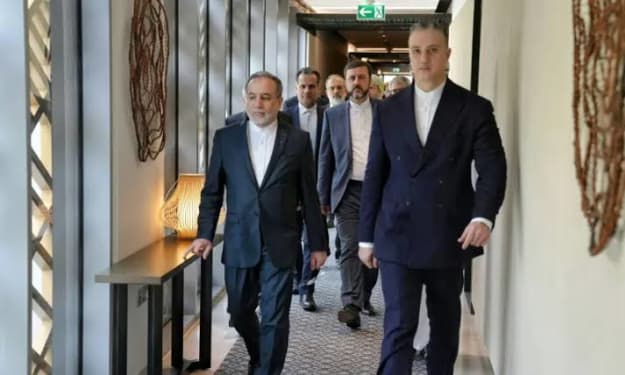
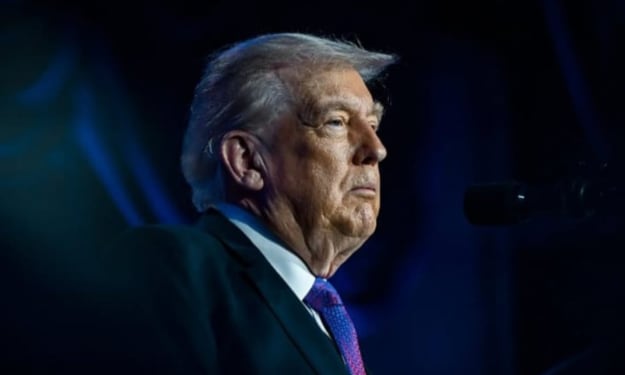
In what diplomats are calling a cautious but meaningful step toward easing one of the Middle East’s most persistent geopolitical conflicts, Iran and the United States agreed this week to continue indirect nuclear negotiations after describing an initial round of talks in Oman as a “good start.” While no breakthrough agreement was reached, the tone from both sides reflects a mutual — if tentative — interest in keeping channels of communication open amid deep divisions over Tehran’s nuclear program and broader regional security concerns. Reuters The discussions, held Friday in Muscat and facilitated by Oman’s foreign ministry, were the first substantive indirect talks between the two countries since hostilities escalated following a short but intense conflict last year. Neither Tehran nor Washington announced concrete concessions, but both indicated that follow-up conversations would take place after further consultations in their respective capitals. Khaleej Times A Fragile Diplomatic Opening Iran’s Foreign Minister, Abbas Araghchi, described the meetings as a “good start” but stressed that dialogue requires restraint from external pressures. Speaking after the conclusion of the session in Muscat, Araghchi said that Iranian and U.S. officials had “exchanged views in a positive atmosphere” and that there was an “understanding on continuing the talks.” He added that the specific arrangements for the next round would be determined after further consultation at home. Apa.az Araghchi reiterated Tehran’s position that Iran would focus discussions strictly on its nuclear activities, rejecting attempts to broaden the agenda to include issues such as ballistic missiles, regional proxy relationships, or Iran’s domestic human rights record — matters that Washington has insisted should be part of any comprehensive dialogue. Khaleej Times For the United States, the talks offered an opportunity to engage Iran diplomatically while maintaining pressure on areas of disagreement. President Donald Trump’s administration sent a delegation that included senior envoys and advisers, underscoring Washington’s interest in preventing further escalation that could draw in regional powers or lead to broader conflict. Reuters The Context: Tensions and Calculations The backdrop for the Muscat talks remains highly charged. In mid-2025, U.S. and Israeli forces conducted airstrikes against Iranian nuclear facilities, prompting retaliatory missile attacks and sparking fears of a wider regional war. In response, the United States significantly increased its military presence in the region, deploying carrier groups and fighter jets to waters near Iran, reinforcing U.S. bases and air defenses. Khaleej Times Amid this security environment, both sides have had reason to seek some form of diplomatic engagement. For Tehran, economic challenges intensified by sanctions and internal unrest have heightened the appeal of negotiations that might eventually lead to relief from punitive measures. For Washington, reducing the risk of direct confrontation at a time of broader global tensions — including conflicts in Europe and the Middle East — has been a strategic priority. Reuters Despite their willingness to talk, fundamental disagreements persist. Iran maintains that its nuclear program is for peaceful purposes and insists on its sovereign right to enrich uranium at levels that the U.S. finds unacceptable. Washington, meanwhile, wants verifiable limits on enrichment and greater transparency in Iran’s activities but has so far not secured agreement from Tehran on these points. Khaleej Times Mixed Signals and Sanctions Complicating diplomatic efforts, Washington continued to impose sanctions even as talks took place. On the same day that negotiators met in Oman, U.S. authorities announced punitive measures targeting individuals, companies, and vessels linked to Iran’s petroleum exports and maritime trade networks. These actions underscore the Trump administration’s dual approach of pursuing diplomacy while maintaining economic pressure. Khaleej Times Iranian officials have publicly criticized what they view as persistent pressure tactics, calling for an environment free of threats and sanctions if negotiations are to proceed constructively. Araghchi and his delegation emphasized that Iran would participate in discussions only if they were framed around mutual respect and refraining from coercion. news.cgtn.com Regional and International Reactions Regional actors and global observers have watched the Muscat talks closely. Oman’s role as mediator highlights its long-standing diplomatic position and its ability to serve as a neutral ground for sensitive negotiations. Officials from the Gulf Cooperation Council and European capitals have expressed cautious optimism, stressing that even preliminary dialogue is preferable to further escalation. Khaleej Times Russia, an ally of Tehran, also has called for restraint and encouraged continued engagement, though it maintains its own complex relationship with Washington over issues ranging from Ukraine to Middle East security dynamics. Reuters Looking Ahead As both sides return to their capitals to consult advisers and leadership, future talks are expected to be slow and careful. Observers emphasize that the initial “good start” does not guarantee rapid progress. Deep mistrust — rooted in years of conflict, sanctions, and competing strategic goals — will challenge negotiators as they explore possible areas of compromise. Khaleej Times Regardless, the decision to continue diplomatic engagement marks a notable departure from periods of outright hostility and silence. For now, Tehran and Washington appear to share an interest in keeping the dialogue alive — even if the road ahead toward a lasting agreement remains long and uncertain.
By Fiaz Ahmed 2 days ago in The Swamp
Squid Game Executions.
Why is Squid Game called Squid Game? When no apparent squid, real or otherwise, is featured. What I have seen of the game is just a load of hapless South Koreans being shot at by a giant doll. Those who can get through win a huge sum of money. Of course, it is just a concept, a drama, where poor people are encouraged to take part to win this money. Though fictional, the concept of people taking part in a game where most of them will die to win a large amount of money for entertainment is morally questionable to me. However, like Traitors in the UK, also with a morally questionable agenda, the show is watched by millions around the world.
By Nicholas Bishop2 days ago in The Swamp
Saudi’s Neom Replaced by Almaty as Asian Winter Games Host. AI-Generated.
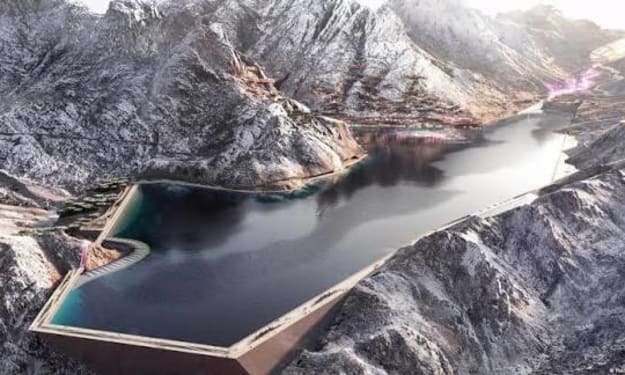
The Olympic Council of Asia (OCA) has officially announced that Almaty, Kazakhstan, will host the upcoming Asian Winter Games, replacing Saudi Arabia’s futuristic mega-city project Neom. The decision follows months of growing concerns over logistical readiness, infrastructure delays, and the unprecedented challenge of staging a major winter sports event in a desert region. Saudi Arabia had initially won the bid to host the Games as part of its ambitious Vision 2030 strategy, which seeks to transform the kingdom into a global hub for sports, tourism, and entertainment. The selection of Neom — a planned $500-billion high-tech city on the Red Sea — was intended to showcase Saudi Arabia’s technological innovation, including indoor ski slopes and artificial snow facilities. However, the project’s timelines and technical feasibility have increasingly come under scrutiny. Concerns Over Readiness and Climate Sources close to the OCA said the decision was driven by “practical and sporting considerations.” Hosting winter events such as alpine skiing, biathlon, and snowboarding in a region with no natural snowfall would have required massive energy consumption and artificial snow production, raising both environmental and operational questions. Despite Saudi assurances that Neom’s Trojena mountain resort would be ready in time, inspectors reportedly found that several core venues were still under construction and far from competition-ready. Transportation networks, athlete villages, and safety infrastructure also remained incomplete. In contrast, Almaty offered a proven winter sports environment. The Kazakh city sits near the Tian Shan mountains and already boasts world-class facilities, including the Medeu speed skating rink and Shymbulak ski resort. These venues previously hosted international competitions and require minimal new construction. An OCA official said the choice of Almaty ensures “certainty, sustainability, and athlete safety,” adding that the organization could not risk delays that might compromise the Games’ credibility. Saudi Arabia’s Strategic Setback For Saudi Arabia, the loss of hosting rights represents a notable setback in its sports diplomacy campaign. Over the past decade, the kingdom has invested heavily in international sporting events, including Formula One races, boxing championships, and football tournaments. The Asian Winter Games were meant to symbolize Saudi Arabia’s leap into non-traditional sports and its technological capacity to overcome environmental limits. In a brief statement, Saudi officials said they respected the OCA’s decision and would continue developing Neom and its tourism infrastructure. They emphasized that Trojena remains a key part of the country’s long-term vision and that winter tourism projects would proceed regardless of the Games. However, analysts say the reversal exposes the tension between ambition and feasibility. “Neom represents Saudi Arabia’s desire to redefine what is possible, but mega-events require reliability,” said one regional sports policy expert. “The OCA opted for a safer option.” Almaty’s Opportunity Kazakhstan welcomed the announcement as a chance to reaffirm its status as Central Asia’s leading winter sports destination. Government officials said hosting the Games would boost tourism, generate jobs, and enhance the country’s international profile. Almaty previously bid for the 2022 Winter Olympics and narrowly lost to Beijing. Local authorities view the Asian Winter Games as both a consolation prize and a stepping stone toward future Olympic ambitions. Preparations are expected to focus on upgrading existing venues rather than constructing new ones, aligning with sustainability goals promoted by international sporting bodies. Kazakh President Kassym-Jomart Tokayev praised the decision, saying it reflected “confidence in Kazakhstan’s sporting infrastructure and organizational experience.” Environmental and Ethical Debate The change in host city also reflects a broader shift in how international sporting organizations view climate and sustainability. Critics of the Neom bid argued that building winter sports facilities in a desert region contradicted environmental responsibility, especially amid global climate concerns. Human rights groups had also raised questions about labor conditions and transparency linked to large construction projects in Neom. While the OCA did not publicly cite these issues as decisive factors, observers note that they likely contributed to the organization’s cautious stance. By contrast, Almaty’s natural climate and existing venues reduce the need for large-scale construction and carbon-intensive snowmaking, making it a more environmentally defensible choice. Looking Ahead The Asian Winter Games will now move forward under Almaty’s stewardship, with organizers promising a traditional winter sports atmosphere and strong regional participation. Athletes and national federations have largely welcomed the decision, expressing relief that competitions will take place in a location designed for snow and ice events. For Saudi Arabia, the episode underscores the challenges of transforming bold visions into operational realities. While Neom remains a symbol of future ambition, the reassignment of the Games highlights the limits of innovation when confronted with climate, timelines, and international sporting standards. As preparations begin in Kazakhstan, the shift from desert megacity to mountain metropolis marks a return to conventional winter sports logic — and a reminder that even the most ambitious projects must meet practical demands when hosting the world’s athletes.
By Fiaz Ahmed 2 days ago in The Swamp
Gold bulls hold firm after historic metals sell-off — but silver could be in for a bumpier ride. AI-Generated.
The precious metals market has rarely looked as dramatic as it did during the recent historic sell-off. Prices across gold, silver, and other metals plunged in a wave of liquidation that rattled investors and raised questions about whether the long-standing bull case for precious metals had finally cracked. Yet, in the aftermath of this sharp decline, gold bulls appear remarkably steady. Silver, however, may be facing a more uncertain and volatile path forward.
By Sajida Sikandar2 days ago in The Swamp
Ramadan Work Hours in UAE: Private Sector Rules, Exemptions and Overtime Explained. AI-Generated.
As the holy month of Ramadan begins, working hours across the United Arab Emirates are adjusted in line with federal labor regulations designed to support fasting employees while maintaining productivity in both public and private sectors. For private sector companies in particular, the rules surrounding reduced working hours, exemptions, and overtime often raise questions for employers and employees alike. Under UAE labor law, private sector employees are entitled to a reduction in daily working hours during Ramadan, regardless of whether they are fasting. This provision reflects the government’s commitment to ensuring worker welfare while respecting the religious significance of the month. Reduced Working Hours According to the UAE Ministry of Human Resources and Emiratisation (MOHRE), the standard working day for private sector employees is reduced by two hours per day during Ramadan. This applies to all workers, including Muslim and non-Muslim employees, and is not limited only to those who are fasting. For example, if an employee normally works eight hours per day, their Ramadan schedule becomes six hours per day. Employers are free to decide how these reduced hours are structured, whether through earlier closing times, split shifts, or flexible scheduling, as long as the total daily working time does not exceed the adjusted limit. The regulation aims to strike a balance between religious observance and business continuity, particularly in sectors such as retail, logistics, and hospitality that experience fluctuating demand during the holy month. Exemptions and Special Sectors While the two-hour reduction is mandatory, certain categories of workers may be exempt due to the nature of their roles. These typically include: Security personnel Healthcare workers Public utility staff Hospitality and tourism employees Transport and logistics workers In these sectors, companies may continue to operate full shifts if required for operational reasons. However, employees working beyond the reduced Ramadan hours are entitled to overtime compensation in accordance with labor law. MOHRE has emphasized that any exemptions must still respect employee rights, including rest periods and overtime pay. Employers cannot use Ramadan exemptions as a reason to impose excessive working hours without compensation. Overtime Rules During Ramadan Overtime regulations remain in effect during Ramadan, just as they do throughout the rest of the year. If an employee works more than the reduced daily hours, that additional time qualifies as overtime and must be compensated accordingly. Under UAE labor law: Overtime pay must be at least 25% higher than the normal hourly wage. If overtime occurs between 10 p.m. and 4 a.m., compensation must be increased by at least 50%, unless the employee works in shift-based roles such as hospitality or security. Employees cannot be required to work more than two extra hours per day, except in cases where preventing significant business loss is necessary. This ensures that workers who continue to operate critical services during Ramadan are fairly rewarded for the additional burden. Remote Work and Flexible Arrangements In recent years, many private companies have adopted flexible working arrangements during Ramadan, including remote work, hybrid schedules, and staggered shifts. While not legally required, these practices have become increasingly common and are encouraged by government authorities as a way to support work-life balance. Some employers allow staff to start earlier in the morning and leave before afternoon heat and traffic peak times, while others introduce split shifts that accommodate prayer times and Iftar preparation. Human resource specialists note that productivity often remains stable during Ramadan when flexible policies are applied thoughtfully. Reduced working hours combined with clear performance expectations can lead to higher morale and stronger employee loyalty. Penalties for Non-Compliance MOHRE has warned that companies failing to implement the reduced working hours or denying overtime compensation may face administrative penalties and inspections. Employees who believe their rights have been violated can file a complaint through MOHRE’s hotline or digital platforms. Authorities regularly conduct inspections during Ramadan to ensure that businesses adhere to labor regulations and that employee welfare is protected. Private Sector vs Public Sector It is important to distinguish between private and public sector rules. While both sectors benefit from reduced hours, government entities typically announce separate official working schedules that may include shorter daily hours or extended weekend breaks. Private sector companies must follow MOHRE guidelines rather than public sector announcements, which often leads to confusion among employees working for multinational firms. Cultural and Business Impact Ramadan brings significant changes to workplace culture across the UAE. Meetings are often scheduled earlier in the day, business lunches are replaced with evening gatherings, and productivity rhythms adjust to accommodate fasting and prayer. For many companies, Ramadan is also a period of increased corporate social responsibility, with initiatives such as charity drives, community iftars, and employee support programs becoming more visible. Looking Ahead As the UAE continues to modernize its labor framework, Ramadan working hour regulations remain a cornerstone of employee protection and religious accommodation. The two-hour reduction, combined with overtime safeguards and flexible work policies, reflects a legal system that balances economic activity with cultural respect. For employees, understanding these rules helps ensure fair treatment during the holy month. For employers, compliance is not only a legal requirement but also an opportunity to foster goodwill and maintain a motivated workforce. With proper planning and adherence to regulations, Ramadan in the UAE can remain a period of both productivity and reflection — a unique blend of professional responsibility and spiritual observance.
By Fiaz Ahmed 2 days ago in The Swamp
Can the U.S. Help Iran? What Iranians Say — Inside and Outside the Country. AI-Generated.
As tensions between the United States and Iran remain high in early 2026, a central question looms over both domestic and international discourse: can the U.S. help Iran — and if so, how? Iranians inside the country, protesters demanding change, and members of the diaspora offer a complex mix of hope, skepticism, and caution about Washington’s ability to influence their future. The backdrop to these views includes renewed diplomatic engagement between the U.S. and Iran over nuclear issues, ongoing violent protests within Iran, and repeated statements from U.S. leaders about “help” that have often gone unfulfilled. Recent indirect talks between the U.S. and Iran in Oman were described as a “good start” by Iranian Foreign Minister Abbas Araghchi, but both sides remain far apart on core issues such as Iran’s nuclear program and missile development. theguardian.com Inside Iran: Cautious Hope and Deep Skepticism Inside Iran, attitudes toward potential U.S. influence are mixed and deeply shaped by lived experience. Many Iranians have watched their economy deteriorate under decades of international sanctions — sanctions largely driven by Washington — which have contributed to inflation, shortages, and hardship among ordinary families. This historical context shapes how many Iranians view the idea of “help” from the U.S. even as they endure brutal crackdowns on protests. � nz.news.yahoo.com Some young protesters have expressed hope that international intervention — including from the U.S. — might change the status quo. In rare communications during even limited internet access, a protester in Tehran told foreign media that Iranians were “waiting for America to intervene,” reflecting desperation amid violence and “brutal repression.” abc.net.au However, other voices express profound wariness. Many remember that foreign intervention historically often brought more suffering than relief. Analysts have warned that military action — even if intended to protect civilians — could escalate conflict, leading to regional violence that would worsen life inside Iran rather than alleviate iran International There is also a healthy strain of realism among Iranians who argue that real change must come from within. They believe that internal unity and sustained public mobilisation, not external force, hold the key to democracy and reform. One Iranian living in the U.S. said that regime change should “come from within,” emphasizing that foreign power can’t substitute for indigenous political momentum. nz.news.yahoo.com Diaspora Views: Hope, Frustration, and Debate Iranian expatriates — particularly in Western countries — also express a range of opinions. Some feel abandoned by promises of U.S. assistance, recalling past statements by U.S. leaders encouraging protests without substantive follow-through. This perceived gap has bred frustration, especially among communities whose relatives face danger back home. TIME Others in the diaspora actively call for more robust American support. Some have even publicly spray-painted graffiti in Iranian cities urging President Trump to help overthrow the clerical regime. A woman in central Iran described Washington as “our only hope” to oust the current government. abc.net.au Yet there are also diaspora voices warning against overestimating Washington’s willingness or capacity to intervene. Some point to historical foreign involvement in Iran — such as the CIA-backed overthrow of Prime Minister Mohammad Mossadegh in 1953 — to argue that U.S. interests have not always aligned with Iranian welfare. These critics stress that relying on American intervention could backfire or undermine Iranian sovereignty. Reddit U.S. Policy: Mixed Signals and Strategic Limits From a policy standpoint, U.S. actions toward Iran are often contradictory. On one hand, American officials have reaffirmed support for the Iranian people and included “all options” on the table, including diplomatic and military avenues. On the other, Washington has implemented aggressive sanctions and avoided deep engagement on humanitarian concerns, leaving many Iranians questioning the sincerity and effectiveness of U.S. aid. nypost.com Efforts to resume nuclear talks, while welcomed by some Iranian officials, have so far produced limited results and avoided broader issues such as human rights or missile programs. Tehran’s insistence on sovereign decision-making and refusal to negotiate under threat further complicates matters. theguardian.com Experts suggest that the most viable forms of U.S. help would likely be non-military and human-centred — such as support for independent media, internet freedom, and civil society programs that empower citizens without direct intervention in Iran’s internal politics. Policy proposals from think tanks have emphasized these softer tools as a way to balance pressure on the regime with support for Iranian agency. americafirstpolicy.com The Iranian Perspective: Not One Monolith Ultimately, there is no single Iranian position on whether the U.S. can help. Iranians inside Iran tend to be more cautious, wary of foreign intervention’s costs even as they endure severe repression. Iranians abroad often mix hope with frustration, demanding more action while remembering past geopolitical grievances. Together, these perspectives illustrate a broader truth: help from the U.S. — if possible at all — must be carefully calibrated, respectful of Iranian agency, and grounded in long-term humanitarian and democratic goals rather than short-term strategic gains. Whether American support ultimately empowers Iranian citizens or deepens geopolitical tensions will depend on a delicate balance of diplomatic skill, genuine engagement, and respect for the voices of Iranians themselves.Start writing...
By Fiaz Ahmed 2 days ago in The Swamp
Judge Orders Trump Administration to Restore Funding for NY–NJ Rail Tunnel. AI-Generated.
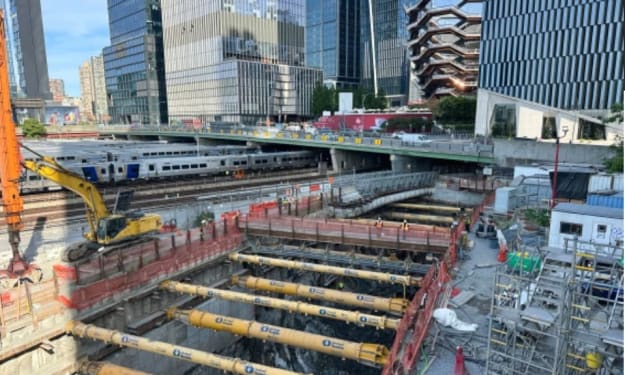
A federal judge has ordered the Trump administration to restore funding for a long-delayed rail tunnel project connecting New York and New Jersey, marking a significant legal and political development in the ongoing battle over America’s infrastructure priorities. The ruling is being viewed as a major victory for state leaders, transportation advocates, and millions of commuters who rely on the aging rail corridor beneath the Hudson River.
By Ayesha Lashari2 days ago in The Swamp