travel
The best travel locations around the world for politics fans and history buffs to get an inside look into government buildings and political landmarks.
European Troops in Greenland Will Not Impact Trump’s Takeover Plans, White House Says. AI-Generated.
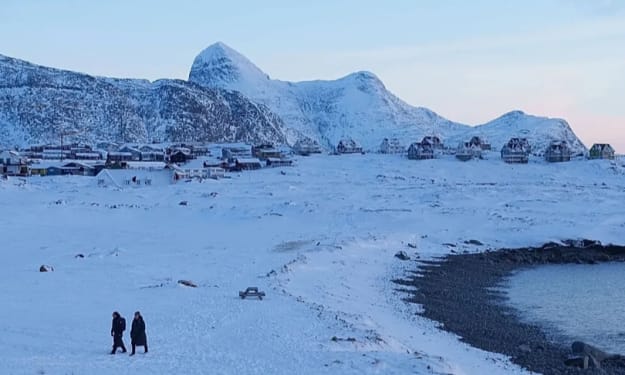
The White House has stated that the deployment of European troops to Greenland will not affect former President Donald Trump’s plans regarding the strategic Arctic territory, a remark that has intensified diplomatic tensions among NATO allies and reignited debate over Greenland’s geopolitical future. The statement comes as European nations, alongside Denmark, bolster their military presence in Greenland amid growing concerns over sovereignty, security, and global power competition in the Arctic. While the White House emphasized that the troop presence is a matter of collective defense, it also signaled that US strategic interests in Greenland remain unchanged. Greenland’s Strategic Importance Greenland has long been viewed as a critical geopolitical asset due to its location between North America and Europe. The island hosts vital shipping routes, advanced missile early-warning systems, and untapped reserves of rare earth minerals essential for modern technology and defense industries. As climate change accelerates ice melt, Greenland’s accessibility has increased, transforming it into a focal point for military planning and economic competition. These factors have drawn heightened attention from global powers, including the United States, Russia, and China. European Troop Deployment Explained European troops were deployed to Greenland as part of a NATO-backed defensive initiative, aimed at reinforcing Arctic security and supporting Denmark’s sovereignty over the autonomous territory. Officials from Denmark and other European states have described the deployment as precautionary rather than provocative. The troops are tasked with surveillance, infrastructure protection, and joint exercises designed to enhance readiness in harsh Arctic conditions. NATO leaders insist the move reflects alliance unity and is not directed against any single country. White House Downplays Impact Despite the visible show of European military support, the White House stated that the deployment does not interfere with US strategic planning, including Trump’s previously expressed interest in expanding American influence over Greenland. A senior White House official said the United States continues to view Greenland as “vital to hemispheric defense,” adding that troop movements by allies do not alter Washington’s long-term objectives in the Arctic. The comment has sparked criticism from European leaders, who argue that Greenland’s status and defense arrangements should be determined collectively, not unilaterally. Trump’s Greenland Ambitions Revisited Trump first drew global attention in 2019 when he openly discussed the idea of acquiring Greenland, a proposal that was firmly rejected by Denmark and Greenland’s leadership. Since then, his remarks have resurfaced periodically, often framed around security concerns and economic opportunity. Supporters argue that US involvement could bring investment and enhanced defense capabilities to the island. Critics, however, view such ambitions as outdated imperial thinking that undermines international norms and the sovereignty of smaller nations. The White House’s latest remarks suggest that Trump’s interest in Greenland remains strategically driven, regardless of allied military actions. Denmark and Greenland Push Back Danish officials have reiterated that Greenland is not for sale and not subject to external takeover plans. Prime Minister Mette Frederiksen has emphasized that Greenland’s defense is a shared NATO responsibility, grounded in cooperation and mutual respect. Greenland’s autonomous government has also voiced concern over rhetoric suggesting external control. Leaders in Nuuk have stressed the importance of respecting Greenlanders’ right to self-determination and involving local communities in decisions affecting the island’s future. NATO Unity Tested The situation has placed NATO unity under strain. While the alliance maintains that its Arctic posture is defensive and cooperative, differing messages from Washington risk complicating diplomatic relations. Some European officials worry that downplaying the significance of allied troop deployments could weaken trust within NATO. Others fear that unilateral statements about Greenland could embolden rival powers seeking to exploit divisions within the alliance. Nevertheless, NATO leadership continues to frame the Arctic as a region requiring collective vigilance rather than competitive ambition. Global Reactions and Geopolitical Stakes International reactions have been swift. Russia and China, both increasingly active in the Arctic, have criticized NATO’s expanding footprint while closely monitoring US statements about Greenland. Analysts warn that conflicting narratives among Western allies could create openings for rival powers to advance their interests in the region. The Arctic, once considered a zone of cooperation, is increasingly viewed as a potential arena for great-power rivalry. Implications for Arctic Governance The controversy underscores broader questions about Arctic governance, sovereignty, and the future of international cooperation. As melting ice opens new trade routes and resource opportunities, competition is likely to intensify. Experts argue that maintaining stability will require clear communication among allies, respect for international law, and meaningful engagement with indigenous and local populations. Any perception of unilateral ambition risks destabilizing a fragile geopolitical balance. What Comes Next While European troops remain stationed in Greenland for the foreseeable future, diplomatic efforts are expected to continue behind the scenes. Denmark, Greenland, and NATO partners are likely to seek assurances that allied unity remains intact. Meanwhile, US officials insist that strategic discussions about Greenland are ongoing but emphasize that no immediate changes are planned. Conclusion: A Delicate Arctic Balance The White House’s assertion that European troops in Greenland will not impact Trump’s takeover plans highlights the complex and sensitive nature of Arctic geopolitics. As military presence increases and strategic interests converge, Greenland finds itself at the center of a growing international debate. Whether cooperation or competition will define the Arctic’s future depends on how global powers manage their ambitions. For now, Greenland remains a symbol of both opportunity and tension in an increasingly contested region.
By Aarif Lashari28 days ago in The Swamp
US to Suspend Immigrant Visa Processing for 75 Countries: What It Means and Why It Matters. AI-Generated.
The United States is reportedly preparing to suspend immigrant visa processing for applicants from 75 countries, a move that could significantly reshape global migration patterns and diplomatic relations. If implemented, the decision would represent one of the most far-reaching changes to US immigration procedures in recent years, affecting thousands of families, workers, and students worldwide. The policy, according to officials familiar with the matter, is being framed as an administrative and security-driven measure rather than a permanent ban. However, its scale and potential impact have already sparked debate among policymakers, immigration advocates, and affected communities. What Does Suspending Immigrant Visa Processing Mean? Suspending immigrant visa processing does not necessarily mean a complete prohibition on entry into the United States. Instead, it typically involves halting the review and approval of new immigrant visa applications at US embassies and consulates in the affected countries. Immigrant visas are issued to individuals seeking permanent residence in the US, including family-sponsored immigrants, employment-based applicants, and diversity visa winners. A suspension would delay or freeze these pathways, leaving many applicants in prolonged uncertainty. Non-immigrant visas—such as tourist, student, or temporary work visas—may or may not be included, depending on how the policy is implemented. Past measures have often drawn a distinction between permanent immigration and temporary travel. Why Is the US Considering This Move? US officials have cited several factors behind the proposed suspension. These include security concerns, administrative capacity, document verification challenges, and compliance with US immigration standards. Some countries on the list reportedly lack reliable civil documentation systems, making it difficult for US authorities to verify identities, criminal records, or travel histories. Others may have limited cooperation with US immigration enforcement or information-sharing mechanisms. In addition, the US immigration system continues to face backlogs and staffing shortages, worsened by the lingering effects of the COVID-19 pandemic. Suspending visa processing for certain countries may be viewed as a way to manage workload while broader reforms are considered. Which Countries Could Be Affected? While an official list has not been publicly confirmed, reports suggest that the 75 countries under consideration span Africa, Asia, the Middle East, and parts of Latin America. Many of these nations are already subject to heightened scrutiny due to political instability, conflict, or weak governance structures. The geographic scope of the suspension underscores its global significance. If enacted, the policy would affect a diverse range of applicants, including family members of US citizens, skilled professionals, and refugees seeking long-term stability. Impact on Families and Immigrants For individuals and families awaiting immigrant visas, the consequences could be profound. Family reunification—a cornerstone of US immigration policy—may be delayed indefinitely, separating spouses, parents, and children across borders. Employment-based immigrants, including doctors, engineers, and other skilled workers, could face career disruptions and financial uncertainty. For many, years of preparation, documentation, and waiting could be put on hold without a clear timeline for resumption. Immigration advocates warn that prolonged suspensions can also encourage irregular migration or push applicants toward alternative destinations, reshaping global mobility trends. Diplomatic and International Repercussions Suspending immigrant visa processing for such a large number of countries is likely to carry diplomatic consequences. Governments whose citizens are affected may view the move as discriminatory or politically motivated, potentially straining bilateral relations. In the past, similar restrictions have led to diplomatic protests and legal challenges. Countries that cooperate closely with the US on security, trade, or regional stability may seek exemptions or special arrangements. The policy could also affect America’s global image as a destination for opportunity and diversity, particularly if it is perceived as targeting specific regions or populations. Legal and Political Challenges Ahead Any broad suspension of visa processing is likely to face legal scrutiny within the United States. Immigration policy sits at the intersection of executive authority and congressional oversight, and courts have previously intervened in cases involving sweeping immigration restrictions. Domestically, the proposal has already ignited political debate. Supporters argue that stricter controls are necessary to protect national security and ensure the integrity of the immigration system. Critics counter that the move unfairly penalizes entire nations and undermines America’s humanitarian and economic interests. The outcome may depend on how narrowly or broadly the policy is defined and whether exemptions are included for humanitarian cases. Economic Implications for the United States Immigrants play a critical role in the US economy, contributing to industries ranging from healthcare and technology to agriculture and education. A prolonged suspension of immigrant visa processing could exacerbate labor shortages, particularly in sectors already struggling to find workers. Universities, research institutions, and businesses that rely on global talent may also feel the effects. Reduced immigration could slow innovation, economic growth, and cultural exchange, especially in an increasingly competitive global environment. What Comes Next? As of now, the suspension remains a proposal rather than a finalized policy. Details regarding implementation, duration, and exemptions are still unclear. Immigration lawyers and advocacy groups are advising applicants to monitor official announcements closely and prepare for potential delays. The situation highlights the ongoing tension between security, administrative control, and humanitarian values in US immigration policy. How the government balances these priorities will shape the future of immigration for years to come. A Defining Moment for Global Migration The potential US decision to suspend immigrant visa processing for 75 countries marks a defining moment in global migration policy. Its effects would ripple far beyond borders, influencing families, economies, and international relationships. Whether the move proves temporary or long-lasting, it underscores the growing complexity of immigration in a world shaped by security concerns, political pressures, and global inequality. For millions around the world, the outcome could determine not just where they live, but how they envision their future.
By Aarif Lashari29 days ago in The Swamp
By Dumping Tonnes of Sand into the Ocean for 12 Years, China Has Created Brand New Islands from Scratch. AI-Generated.
Imagine looking out over the South China Sea and seeing islands that weren’t there a decade ago. That’s exactly what’s happening. For 12 years, China has been dredging millions of tonnes of sand from the seabed and dumping it onto shallow reefs. The result? Massive artificial islands with runways, harbors, and even radar systems — entirely built from scratch. It’s an extraordinary engineering achievement. But it’s also a deeply controversial story that touches on geopolitics, environmental damage, and international law. How Do You Build an Island From the Ocean? The process is intense, complicated, and massive in scale. Specialized ships called cutter-suction dredgers scoop up sand and crushed coral from the seabed. That slurry is pumped through pipelines onto reefs, layer by layer, until the area rises above the high-tide line. Once land starts forming, engineers reinforce it with rock and concrete to protect it from storms. Roads, runways, and harbors soon appear, along with radar and communication systems. What was once just a coral reef becomes a fully functional island capable of hosting military aircraft and ships. From a technical standpoint, it’s impressive. From an environmental and geopolitical standpoint, it’s far more complex. Why These Islands Matter The South China Sea is one of the most strategic waterways in the world. About one-third of global maritime shipping passes through here every year, and the sea is rich in oil, gas, and fish. Several countries — including Vietnam, the Philippines, Malaysia, Brunei, and Taiwan — have claims in the region. China, however, claims almost the entire South China Sea under the so-called “nine-dash line.” Artificial islands give China a physical presence in contested waters, turning submerged reefs into military and logistical hubs. Once an island has a runway or a port, it changes the balance of power. It’s no longer just sand; it’s a foothold that can influence maritime traffic, regional security, and international diplomacy. From Coral Gardens to Concrete Islands There’s a darker side to this story. These islands are built on coral reefs — ecosystems that took thousands of years to form. Dredging and dumping sand destroys these reefs almost instantly. Sediment plumes cloud the water, smothering coral and blocking sunlight. Fish nurseries vanish, and entire marine ecosystems collapse. Nearby fishing communities in countries like the Philippines and Vietnam report lower catches as fish populations decline. What was once a thriving marine environment becomes, for many species, a barren landscape. Geopolitical Tensions Artificial islands aren’t just about sand and concrete; they’re about power projection. Once they host ports, airstrips, and radar systems, they act like permanent military outposts in the middle of contested waters. Even after a 2016 international tribunal ruled that China’s expansive claims were legally invalid, Beijing continued construction. Its neighbors are responding: Vietnam has built its own artificial islands, and the U.S. conducts freedom-of-navigation operations to challenge China’s dominance. These islands are flashpoints for tension, with ships and planes moving constantly to assert influence. What began as an engineering project has become a high-stakes geopolitical chessboard. Legal Questions According to the United Nations Convention on the Law of the Sea (UNCLOS), artificial islands do not generate territorial waters or exclusive economic zones. So technically, China cannot claim surrounding seas just because it built land there. But in practice, perception matters. Once an island is equipped with infrastructure and personnel, it becomes a de facto presence that is difficult to ignore. Countries, ships, and planes start operating around it, effectively shifting influence without officially changing borders. International law is struggling to keep up with technological possibilities. Creating new land from the ocean wasn’t something lawmakers imagined when defining maritime rights. Environmental and Strategic Impacts The environmental consequences are serious: coral reefs, fish populations, and coastal ecosystems are destroyed. Yet these islands also reshape the geopolitical map. They allow China to extend its reach in the South China Sea, assert military presence, and strengthen supply chains across contested waters. This raises a broader question: how should the world balance technological innovation with environmental protection and international norms? Artificial islands like these may be an engineering triumph, but they come with costs that ripple across oceans and generations. The Takeaway China’s decade-long project to create islands from the sea is more than a feat of engineering. It’s a story about power, ambition, and the lengths nations will go to secure influence. These islands are now military bases, geopolitical tools, and environmental scars all at once. As technology advances, creating land where none existed will become easier. But the lessons of the South China Sea are clear: reshaping the earth may give a country strategic advantages, but it also disrupts ecosystems, challenges international law, and sparks regional tension. Sand and sea may seem endless, but the consequences of building on top of them will last for generations.
By Muhammad Hassan29 days ago in The Swamp
Daniel Ives: Trump’s Electricity Policy Could Be a ‘Bottleneck’ for Data Centers. AI-Generated.
If you’ve been following the AI boom lately, you know that it’s not just about clever algorithms or smart apps—it’s also about massive amounts of electricity. And according to Wall Street analyst Daniel Ives, the electricity policies being pushed by the Trump administration could become a serious bottleneck for U.S. data centers, the massive facilities that power everything from cloud storage to AI models like ChatGPT. Ives warns that while the administration wants to protect consumers from higher electricity bills—which is understandable—the way these policies are being implemented may slow down the very infrastructure needed for America to stay competitive in AI and tech innovation. Data Centers: More Than Just Big Computers Think of a data center as a giant brain for the internet. These facilities run thousands of servers 24/7, processing the data behind social media, streaming video, cloud apps, and artificial intelligence. Unlike your laptop or phone, data centers never power down, which means they use an incredible amount of electricity. In 2023, U.S. data centers used about 4.4% of all electricity in the country—roughly the same as major cities like New York or Chicago. And with AI becoming a bigger part of business and daily life, demand for power is expected to double or triple by 2030. So when policies affect electricity pricing or availability, it hits data centers directly—and fast. Trump’s Electricity Policy Explained President Trump’s administration has been clear: Americans shouldn’t pay higher utility bills because of data centers. The plan encourages Big Tech to cover their own energy costs instead of relying on electricity rates that might indirectly affect households and small businesses. In response, companies like Microsoft have pledged to pay more for electricity and make their operations more efficient. While this helps protect consumers, Daniel Ives says it could also slow down the growth of new data centers if companies decide the costs are too high or too uncertain. Why Daniel Ives Calls It a Bottleneck Ives calls this situation a “bottleneck” for several reasons: Rising Costs for Tech Firms: If companies have to pay more for electricity, building new data centers becomes more expensive. That can slow expansion. Infrastructure Limits: Many regions of the U.S. grid weren’t designed for the current surge in AI-powered data centers. Limited power availability can delay or block projects. Global Competition: Ives warns that if U.S. policies make data center growth harder, other countries—like China—might pull ahead in AI infrastructure. In short, protecting consumers is important, but it needs to be balanced with ensuring America can scale its AI and cloud capabilities quickly. The Reality of Power Demands This isn’t just about politics—it’s about practical energy challenges. The U.S. grid is already under pressure from data centers, electric vehicles, and growing industrial demand. In some hotspots, developers wait years just to get a power hookup. Without careful planning, the electricity needed for AI innovation could hit a hard limit, delaying projects or pushing companies to relocate where energy is cheaper or more abundant. Balancing Innovation and Consumer Protection The Trump administration’s approach tries to strike a balance: protect household electricity bills while allowing tech growth. But Daniel Ives argues that if the balance isn’t right, it could unintentionally discourage investment and slow AI infrastructure development. Companies are trying to adapt. Microsoft, for instance, has promised to cover energy costs and invest in efficiency. Utilities and lawmakers are also revisiting subsidies and incentives for energy-intensive projects, trying to find a way that keeps everyone happy. Why This Matters for AI The bottleneck isn’t just about data centers or corporate profits—it’s about the speed of AI development in the U.S. AI doesn’t just need processing power; it needs continuous, reliable electricity. If supply is limited or policies make energy too expensive, AI projects could slow down, affecting everything from business innovation to national competitiveness. Ives’ warning is clear: electricity policy isn’t a small detail. It’s a strategic factor that could shape the future of AI in America. Conclusion: Watching the Power Flow Daniel Ives’ perspective highlights a key lesson: tech innovation depends on energy policy just as much as it does on talent or investment. The U.S. needs policies that protect consumers but also allow data centers—and the AI revolution—to grow. Otherwise, we could see delays in AI infrastructure just as the world is racing to adopt new technologies. For policymakers, companies, and consumers, the takeaway is clear: energy policy isn’t just about rates; it’s about the future of American technology. The next few years will show whether Washington can balance consumer protection with the energy needs of AI—or if Daniel Ives’ bottleneck warning becomes reality.
By Muhammad Hassan29 days ago in The Swamp
Verizon Says Its Service Is Back After a 10-Hour Outage. AI-Generated.
Verizon, one of the largest telecommunications providers in the United States, announced that its services have been fully restored following a widespread outage that lasted approximately 10 hours. The disruption, which affected millions of customers nationwide, left people unable to make calls, send texts, or access mobile data for much of the day, highlighting the growing reliance on mobile networks for everyday communication, work, and emergency services. The outage also served as a stark reminder of the vulnerabilities in modern telecommunications infrastructure and the challenges that major carriers face in keeping their networks online in an increasingly connected world. Scope of the Outage According to reports from Verizon and monitoring platforms like Downdetector, the outage began early in the morning and persisted through mid-afternoon, impacting multiple states across the country. Customers reported issues with: Voice calls – Many users could not make or receive phone calls. Text messaging – SMS services were interrupted, particularly for those relying on Verizon’s network. Mobile data and internet access – Users experienced slow or completely inaccessible data connections, affecting work-from-home setups, video calls, and streaming. Social media platforms lit up with complaints, as users took to Twitter, X, and other networks to report service interruptions and seek information. Verizon acknowledged the issue through official channels, promising updates as technicians worked to resolve the problem. Verizon’s Response In a statement, Verizon said: “Our teams have resolved the network issues that impacted voice, messaging, and data services for our customers. We sincerely apologize for the inconvenience and appreciate everyone’s patience as we worked to restore service.” The carrier also explained that the outage was caused by an internal network configuration error, which led to widespread service disruption. While the company did not provide detailed technical specifics, experts suggest that such outages can result from software misconfigurations, routing errors, or failures in network backbone systems that support millions of users. Impact on Customers The outage affected millions of Verizon subscribers, including both individual and business customers. In an era where smartphones are central to daily life, the disruption had real-world consequences, including: Remote Work Challenges: Many employees rely on Verizon for mobile hotspots and corporate connectivity. The outage disrupted video calls, emails, and cloud-based collaboration. Emergency Communication: Verizon customers reported difficulties in contacting family or emergency services, a reminder of how critical reliable mobile service is in modern society. Financial Transactions: Mobile banking apps and digital payment services that depend on mobile data were inaccessible for several hours. General Communication: Everyday activities such as texting, social media updates, and online browsing were affected, leaving users frustrated. For businesses, the outage was particularly challenging. Retailers, delivery services, and small businesses relying on mobile payment systems or VoIP communication had to adapt quickly, often resorting to backup networks or offline solutions. How Common Are Outages Like This? While rare, multi-hour outages for major carriers like Verizon do occur. The growing complexity of telecom networks, combined with increasing dependence on mobile infrastructure, means that even minor configuration errors can have widespread consequences. According to industry analysts: Outages of 1–2 hours are relatively common and usually localized. Nationwide or multi-state outages, especially lasting over 8 hours, are far less frequent but cause significant disruption. Telecom providers often run redundant systems to minimize downtime, but large-scale outages still occur due to software glitches, maintenance errors, or unexpected hardware failures. Verizon’s Plan to Prevent Future Outages Verizon has committed to reviewing its systems and processes to prevent similar outages in the future. This includes: Network Audits: Conducting thorough audits of hardware and software configurations. Enhanced Monitoring: Implementing more sophisticated tools to detect issues before they escalate. Redundancy Improvements: Strengthening backup systems to maintain service continuity in case of failures. Employee Training: Ensuring network engineers are equipped to manage complex configurations safely. Industry experts emphasize that network reliability is increasingly critical, especially as mobile data consumption, IoT devices, and 5G services continue to expand. Public Reaction and Social Media Buzz As expected, social media was ablaze during the outage. Verizon users expressed frustration, confusion, and, at times, humor. Memes about losing mobile service and jokes about being “cut off from civilization” quickly spread online. Many praised Verizon for providing updates and resolving the issue relatively quickly, while others criticized the carrier for the lack of transparency regarding the cause and scale of the outage. Analysts note that clear communication during outages is almost as important as fixing the technical problem itself, as it helps maintain customer trust. Broader Implications The Verizon outage highlights how critical mobile connectivity has become in daily life. With smartphones serving as the primary tool for communication, work, entertainment, and emergency access, disruptions can ripple through society in significant ways. The event also underscores the vulnerability of digital infrastructure. As reliance on 5G networks, smart devices, and cloud services increases, carriers must prioritize robust, resilient systems to prevent widespread outages that can impact both individuals and businesses. Conclusion: Lessons from the Outage Verizon’s 10-hour outage serves as a reminder that even large, technologically advanced networks are not immune to disruption. The incident affected millions of people, highlighting both the challenges of modern telecommunications and the high stakes of maintaining network reliability. For Verizon, the key takeaway is clear: investing in network resilience, transparent communication, and proactive monitoring is essential to maintain customer trust and ensure continuous service. For users, the outage is a reminder of the importance of backup communication plans and the increasing dependence on mobile connectivity in the modern world. As technology continues to advance, maintaining reliable, robust networks will be a top priority—not just for Verizon, but for all telecom providers navigating the digital age.
By Muhammad Hassan29 days ago in The Swamp
Waitress ‘Who Accidentally Started Swiss Bar Fire’ Was Killed in the Blaze. AI-Generated.
A Night That Ended in Catastrophe The devastating fire that tore through a popular bar in the Swiss resort town of Crans-Montana, killing dozens of people, has taken on a tragic new dimension. Authorities have confirmed that the waitress believed to have accidentally started the fire was herself among those who died in the blaze. The revelation has shocked the local community and reshaped public understanding of one of Switzerland’s deadliest fires in recent years. What was initially seen as a case of negligence has now become a story of shared human tragedy, loss, and unanswered questions. What Happened Inside the Bar The fire broke out late in the evening at a crowded bar that was popular with both locals and tourists. According to preliminary findings by investigators, the blaze may have started accidentally during routine operations behind the bar. Officials say the waitress, a young woman employed at the venue, was handling flammable materials near a heat source when the fire ignited. Within minutes, flames and thick smoke spread rapidly through the building, trapping patrons and staff inside. Emergency services arrived quickly, but the intensity of the fire and the speed at which it spread left little time for escape. The Waitress Among the Victims In a heartbreaking twist, authorities have now confirmed that the waitress linked to the accidental ignition did not survive. Her body was identified among the victims recovered from the scene. Investigators emphasized that there is no indication of criminal intent. “This was a tragic accident,” a spokesperson for local prosecutors said. “The individual involved was also a victim.” Friends and colleagues described the waitress as hardworking and kind, noting that she had been trying to do her job on an exceptionally busy night. A Locked Exit Raises Alarms As investigations continue, attention has also turned to serious safety failures at the venue. Survivors and officials report that a service door was locked from the inside, preventing escape and contributing to the high death toll. Fire safety experts say blocked or locked exits are often the deadliest factor in mass-casualty fires. “In emergencies like this, seconds matter,” said one Swiss fire safety specialist. “If exits are inaccessible, survival chances drop dramatically.” Authorities are examining whether the bar complied with fire regulations, including occupancy limits, emergency exits, and staff training. Victims From Multiple Backgrounds The fire claimed the lives of men and women from different regions and backgrounds, including hospitality workers, local residents, and tourists. Many were young, and several families have lost more than one relative. Flags were lowered across the canton as Switzerland entered a period of mourning. Local churches and community centers have opened their doors to grieving families, while counseling services have been made available to survivors. “This town will never be the same,” said one resident. “Everyone knows someone who was inside that bar.” Community Reaction: From Anger to Grief Initial public anger, fueled by reports of negligence and safety violations, has softened following confirmation that the waitress died in the fire. Many residents now express sorrow rather than blame. “She should not be remembered as someone who caused this,” said a family friend. “She died trying to work and survive like everyone else.” Nevertheless, calls for accountability remain strong—directed not at individuals, but at systems that allowed unsafe conditions to persist. Legal and Regulatory Investigation Underway Swiss prosecutors have launched a full investigation into the bar’s ownership and management. Potential charges could include violations of fire safety laws, failure to maintain emergency exits, and negligence resulting in death. Authorities stress that the investigation will be thorough and impartial. “Our focus is to understand exactly how this happened and to ensure such a tragedy is never repeated,” officials said. Fire inspectors are also reviewing similar venues across the region, signaling possible nationwide safety checks. Lessons From a Preventable Disaster Fire safety experts argue that the tragedy highlights long-standing risks in nightlife venues, particularly overcrowding, inadequate exits, and poor staff training. “This fire was not inevitable,” said one safety consultant. “It was the result of small failures stacking up—flammable materials, locked doors, insufficient escape routes.” Advocates are now urging stricter enforcement of safety codes and harsher penalties for violations. Remembering the Victims As investigations continue, memorials have sprung up outside the burned-out bar. Flowers, candles, and handwritten notes line the street, many honoring not just the patrons but also the staff who died. Among them is a photo believed to show the waitress smiling behind the bar—now a symbol of how quickly ordinary life can turn into tragedy. “She went to work and never came home,” said a mourner. “That could have been any of us.” Conclusion: Tragedy Without Villains, Only Loss The confirmation that the waitress linked to the accidental fire died in the blaze adds a painful layer to an already devastating event. It shifts the narrative from blame toward a broader reckoning with safety, responsibility, and prevention. As Switzerland mourns, the focus now turns to learning from the disaster—honoring the victims not through anger alone, but through meaningful change that ensures such a tragedy never happens again.
By Aarif Lashariabout a month ago in The Swamp
Two Men Died After Falls at an Overstretched A&E. AI-Generated.
A Tragedy That Raises Urgent Questions The deaths of two men following falls at an overstretched Accident and Emergency (A&E) department have sent shockwaves through the healthcare community. While hospitals are places of healing, these incidents highlight a harsh reality: when emergency departments are under extreme pressure, patient safety can be compromised in ways that are both tragic and preventable. These cases are not just about individual mistakes or isolated failures. They point to deeper, systemic problems facing emergency healthcare—problems that demand urgent attention, accountability, and reform. Understanding What Happened According to reports, the two men suffered fatal injuries after falling while receiving care in an overcrowded A&E unit. Investigations suggest that extreme pressure on staff, long waiting times, and limited supervision played a role in the circumstances surrounding the falls. Importantly, these incidents did not occur in a vacuum. They happened in a setting already struggling to cope with rising patient numbers, staff shortages, and limited physical space. While the precise details are subject to formal inquiries, the broader context is painfully familiar to both healthcare workers and patients. A&E Departments Under Relentless Strain Across the UK, A&E departments are facing unprecedented demand. Seasonal illnesses, an ageing population, and delays in social care have all contributed to overcrowded emergency rooms. Patients often wait hours—or even days—on trolleys for beds to become available. When departments become overstretched, the risk of accidents increases. Staff must monitor dozens of patients simultaneously, many of whom are elderly, confused, injured, or at risk of falling. In such conditions, even the most dedicated professionals can struggle to provide the level of observation each patient needs. Falls in Hospitals: A Known Risk Falls are among the most common patient safety incidents in hospitals. They are especially dangerous for older adults and those with underlying medical conditions. Hospitals typically have protocols in place to assess fall risk, such as mobility checks, regular monitoring, and the use of bed rails or alarms. However, these safeguards rely heavily on adequate staffing and time—two resources often in short supply in overcrowded A&E units. When corridors are filled with trolleys and staff are stretched thin, maintaining consistent fall prevention becomes far more difficult. The Human Cost Behind the Headlines Behind statistics and policy discussions are real people—families who entrusted their loved ones to the healthcare system and now face unimaginable loss. For them, explanations about “system pressure” offer little comfort. Families often ask difficult questions: Why wasn’t someone there to help? Were warning signs missed? Could these deaths have been prevented? These questions underscore the emotional toll such incidents take, not only on relatives but also on healthcare workers involved, many of whom experience guilt and distress even when systemic failures are to blame. Staff Under Pressure, Not at Fault It is crucial to distinguish between blame and responsibility. Frontline NHS staff repeatedly warn that unsafe conditions are becoming normalized. Doctors, nurses, and support staff frequently work long shifts with insufficient breaks, managing more patients than guidelines recommend. In many cases, staff raise concerns internally long before tragedies occur. When those warnings go unheeded due to funding constraints or workforce shortages, risk accumulates. The deaths of these two men highlight what happens when pressure reaches a breaking point. Investigations and Accountability Formal investigations into the deaths are now underway, aiming to establish exactly what went wrong and whether protocols were followed. Such reviews are essential—not to assign individual blame, but to identify systemic weaknesses and prevent future harm. Coroners, hospital trusts, and regulatory bodies all play a role in ensuring transparency. Past cases show that meaningful change often follows public scrutiny, especially when failings are clearly linked to overcrowding and under-resourcing. However, families and patient advocates argue that lessons are too often “learned” without being fully implemented. The Wider NHS Context These incidents come at a time when the NHS faces one of the most challenging periods in its history. Recruitment struggles, staff burnout, and funding pressures are combining with record demand for emergency care. Delayed discharges—patients medically fit to leave hospital but unable to do so due to lack of social care—create bottlenecks that spill back into A&E. The result is a system where emergency departments become holding areas rather than rapid-response units. In such an environment, safety risks multiply. What Needs to Change? Experts and healthcare leaders point to several urgent priorities: Increased staffing levels, especially in emergency departments Better-designed A&E spaces that reduce crowding and fall risks Stronger early-warning systems for vulnerable patients Investment in social care, to ease pressure on hospitals Listening to frontline staff, who often identify risks before harm occurs Without structural reform, similar tragedies are likely to recur. Public Trust and the Cost of Inaction Public trust in emergency healthcare depends on the belief that hospitals are safe, even under pressure. When deaths occur in circumstances linked to overcrowding, that trust is shaken. The danger lies in normalizing crisis conditions. If overstretched A&E departments become accepted as the standard rather than the exception, patient safety will continue to suffer—and avoidable harm will follow. Final Thoughts The deaths of two men after falls in an overstretched A&E are a stark reminder that healthcare systems have limits. Compassion, professionalism, and dedication cannot substitute for adequate resources and safe working conditions. These tragedies should not fade quietly into statistics. They must serve as a catalyst for honest reckoning and decisive action. Patient safety depends not only on the skill of healthcare workers, but on the systems that support—or fail—them. Until overcrowding and understaffing are addressed at their roots, stories like this will continue to emerge, each one a painful reminder of the human cost of systemic strain.
By Muhammad Hassanabout a month ago in The Swamp
Greed in the Desert: How the Promise of Gold Turned Survival Into a Death Trap
The film begins with a man named Sam who is traveling on a train. His life is not going well at all. At every turn, he faces problems. It is revealed that he is going to a deserted, desert-like city where he has to start a new job.
By Filmon Ke Raaz | Movie Mysteries Explainedabout a month ago in The Swamp