
Ink Made of Memory
Healing Through the Lessons I Thought I’d Forgotten
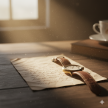

One rainy evening, I opened an old notebook and found pieces of myself I thought had disappeared. The pages, worn from years of neglect, were filled with scribbled lines and trembling handwriting—fragments of thoughts I once thought too fragile to hold onto. At first, I felt the rush of nostalgia, the same familiar twinge of vulnerability I’d felt when I first wrote them. But as I sat there, reading the half-finished thoughts, I realized something unexpected: they had become bridges back to the person I once was.
In those scribbled words, I found echoes of my younger self—someone full of hope, unafraid to dream, someone who believed in second chances. There was a time when I thought these parts of me were lost, buried under layers of time and pain. But reading those forgotten pages felt like waking up from a long sleep. The pieces I thought I’d lost were right there, staring back at me in ink, waiting to be remembered.
I began rewriting those fragments, adding to them what I had learned in the years since I first wrote them. At first, it felt like I was piecing together a broken puzzle. The words didn’t always make sense, and the memories seemed distant, but as I kept writing, something changed. The lines blurred between who I had been and who I was becoming. The ink became not just a record of my past, but a path to my future. In the act of rewriting, I stitched together a truth I had ignored for far too long: healing often begins where memory left off.
There’s something about memory that carries weight. We often think of it as a burden, a collection of moments that haunt us, reminding us of our failures and regrets. But I realized, as I sifted through those pages, that memory is also a teacher. It doesn’t just show us what we’ve been through—it shows us what we’ve overcome. In the words I had long forgotten, I saw the strength I hadn’t known I possessed. I saw the lessons I’d learned and forgotten again, the ones I needed to relearn in order to heal.
Healing, I realized, isn’t just about forgetting the past—it’s about making peace with it. It’s about revisiting the parts of ourselves we thought we’d outgrown, acknowledging them, and then choosing to move forward with them, not despite them.
As I continued rewriting my memories, I felt a kind of quiet reconciliation taking place. It wasn’t about erasing the hurt or pretending I hadn’t suffered. It was about accepting that pain is a part of who I am, but it doesn’t define me. The lessons I learned in those dark times were not mistakes but building blocks.
Each time I turned a page and added to the story, I felt more whole, more connected to the person I was when I first wrote those words. I realized that the ink in my notebook wasn’t just ink—it was made of memory. The stories of who I had been, who I was now, and who I was becoming were all woven into the same threads of time.
It’s easy to think that healing comes from forgetting, from moving past the things that hurt us. But I’ve learned that healing often comes from remembering. From reclaiming the pieces of ourselves we thought we had lost, and in doing so, finding strength in the lessons we thought we’d forgotten.
And so, as the rain continued to fall that evening, I closed the notebook with a sense of peace. I hadn’t just found memories. I had found the courage to rewrite my story, to continue learning, to heal through the lessons inked in my past. Sometimes, it’s in revisiting what we thought we’d left behind that we finally move forward.
About the Creator
john dawar
the best story writer
Keep reading
More stories from john dawar and writers in Writers and other communities.
The Pages That Saved Me
I began writing only because I had nowhere else to place the weight I was carrying. Grief, fear, shame—each emotion felt like a stone tucked deep inside my chest, heavy enough to slow my breathing but invisible enough that no one around me noticed. I didn’t set out to create anything beautiful or profound. All I wanted was relief. A place to put the things I didn’t know how to say out loud.
By john dawar3 months ago in Writers
Writing About Writing: The Rainbow Trap
The good thing about living in modern times is that LGBTQ representation in media is increasing. Not just in niche and Independant media, either, but also in mainstream media. Books, movies, TV shows, comics... they're finally catching on that LGBTQ+ people form a significant part of their audience, and deserve to see themselves on screen and in fiction, not just as victims in documentaries and true crime shows.
By Natasja Roseabout 11 hours ago in Writers
Common Mistakes in Healthcare Data Analytics
Healthcare organizations invest heavily in analytics, yet many fail to realize its full value. The issue is rarely the lack of data — it’s how data analytics is implemented, interpreted, and operationalized. Avoiding common mistakes is critical for turning insights into real clinical and business impact.
By Lilly Scottabout 12 hours ago in Writers
A Letter to the Firestarter
Dear Firestarter, We can all see you, we've been watching you since you began. In case you didn't know we were here before you and we will be here after. We witnessed your rise, your setbacks, your guilt and your lies. We witnessed you start the fire.
By Donny Foley6 days ago in Poets


Comments
There are no comments for this story
Be the first to respond and start the conversation.