
Dark Side of Daylight Saving Time: Health Risks You Should Know
How Losing an Hour of Sleep Can Impact Your Health and Well-Being

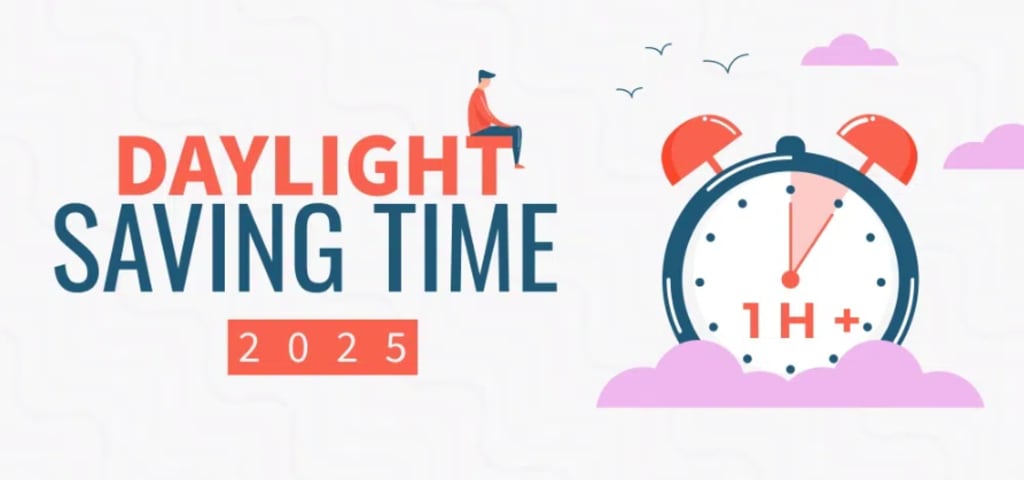
For many, Daylight Saving Time (DST) is just an annual routine—losing an hour of sleep in spring, gaining it back in fall. But what if we told you that this seemingly harmless time shift could have real consequences for your health? Studies suggest that DST can lead to a range of health issues, from sleep disturbances to serious cardiovascular risks. Let’s explore the darker side of this seasonal clock adjustment.
The Science Behind Daylight Saving Time
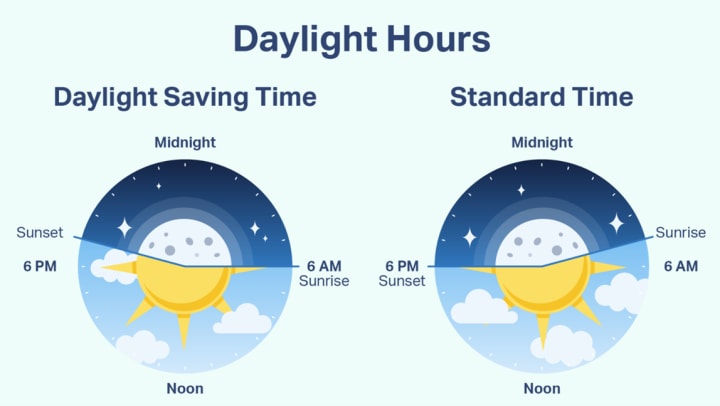
Daylight Saving Time was initially introduced to make better use of natural daylight and conserve energy. However, despite its practical intentions, research has consistently shown that the biannual time shift disrupts our circadian rhythm—the internal body clock that regulates sleep and other bodily functions. This disruption, especially in the spring when we lose an hour, can lead to a variety of health concerns.
1. Increased Risk of Heart Attacks and Stroke
One of the most alarming findings related to DST is its impact on heart health. Studies have shown that the risk of heart attacks rises by 24% the day after we “spring forward.” Similarly, stroke incidents also see an increase. The loss of sleep combined with sudden changes in routine can place undue stress on the cardiovascular system.
2. Higher Risk of Workplace and Traffic Accidents
Sleep deprivation, even for just an hour, can lead to decreased alertness and cognitive function. Research has found that workplace injuries tend to spike after DST changes, with employees not only more likely to get hurt but also sustaining more severe injuries. Additionally, the risk of car accidents increases significantly in the days following the time shift as drowsy drivers struggle to adjust.
3. Mental Health Effects: Increased Anxiety and Depression
The disruption of sleep patterns doesn’t just affect the body—it also takes a toll on mental health. Seasonal Affective Disorder (SAD) and general depression rates tend to rise during the transition into DST, particularly in regions with shorter daylight hours. The loss of morning light can impact mood, energy levels, and overall mental well-being.
4. Disrupted Sleep Patterns and Chronic Fatigue
Our sleep-wake cycle is naturally aligned with the sun, and any abrupt shift can throw it off balance. Many people report having trouble falling asleep and feeling groggy for days or even weeks after DST changes. This chronic sleep debt can weaken the immune system, impair focus, and reduce overall productivity.
5. Increased Risk of Metabolic Issues
DST has also been linked to metabolic disturbances, including weight gain and an increased risk of diabetes. A disrupted sleep schedule affects how our body processes glucose and regulates hunger hormones, making people more prone to unhealthy eating habits and insulin resistance.
Is Daylight Saving Time Worth It?
Given the mounting evidence of DST’s negative health effects, many experts and policymakers are debating whether it should be abolished altogether. Some regions, like Arizona and Hawaii, have already opted out of observing DST. Meanwhile, several U.S. states and European countries are pushing for permanent standard time, arguing that the risks outweigh any potential benefits.
How to Protect Yourself During DST Transitions
While we may not be able to eliminate DST overnight, there are ways to minimize its impact on our health:
- Adjust gradually: Start going to bed 15-30 minutes earlier in the days leading up to the time changes
- Prioritize sleep: Ensure you get at least 7-9 hours of rest to help your body adapt.
- Get morning sunlight: Exposure to natural light in the morning helps regulate your circadian rhythm.
- Avoid caffeine and alcohol: These substances can disrupt sleep, making it harder to adjust.
- Stay active: Regular exercise can improve sleep quality and boost overall well-being.
Final Thoughts
Daylight Saving Time might have started as a way to save energy, but its impact on human health is now impossible to ignore. From increased heart risks to mental health struggles, the consequences of this biannual clock change are real. As more research emerges, the debate over whether DST should continue will likely intensify. Until then, being mindful of its effects and taking proactive steps to protect your health is the best approach.
What are your thoughts on Daylight Saving Time? Should we get rid of it? Let us know in the comments!
About the Creator
Keep reading
More stories from Bevy Osuos and writers in Longevity and other communities.
Secrets of People Who Live Past 100 (And What You Can Do Too)
Imagine celebrating your 100th birthday with energy, a sharp mind, and a heart full of joy. While living past 100 may seem like an impossible dream for many, there are real-life centenarians around the world proving that it’s achievable. The secret? A mix of lifestyle choices, mindset, and genetics. Let’s dive into the habits of those who live to 100 and beyond – and what you can do to increase your chances of joining them.
By Bevy Osuos11 months ago in Longevity
Day 4 of Quitting
If this is how sobriety feels, maybe it’s better to go through life a little buzzed… this, along with other hits like, I want to kill myself, I wish I was dead, and I’m going to throw myself off a bridge have been the only thoughts on rotation these past few days. I promise myself that if, in a month, I still feel like this (‘this’ meaning despondent, full of rage, and simultaneously numb) I can go back to smoking. Until mid-February though? Nicotine is off the table.
By sleepy drafts30 days ago in Longevity
Self Help: Grifters' Gospel
On Self-Help, Snake Oil, and the Illusion of Change Psychology professionals and students can be imagined on two opposite sides of a line called self-help books: likely a larger group opposes pop-science and step-by-step manuals filled with talk of success, journaling, and not giving a f**k; others love them, but they aren’t many.
By Avocado Nunzella BSc (Psych) -- M.A.P 4 days ago in BookClub



Comments
There are no comments for this story
Be the first to respond and start the conversation.