
Hypertension: Causes, Symptoms, Treatment, and Prevention
Hypertension, commonly known as high blood pressure, is a chronic medical condition in which the blood pressure in the arteries is consistently elevated.


What is Hypertension?
Hypertension, commonly known as high blood pressure, is a chronic medical condition in which the blood pressure in the arteries is consistently elevated. Blood pressure is the force of blood pushing against the walls of the arteries as the heart pumps blood around the body.
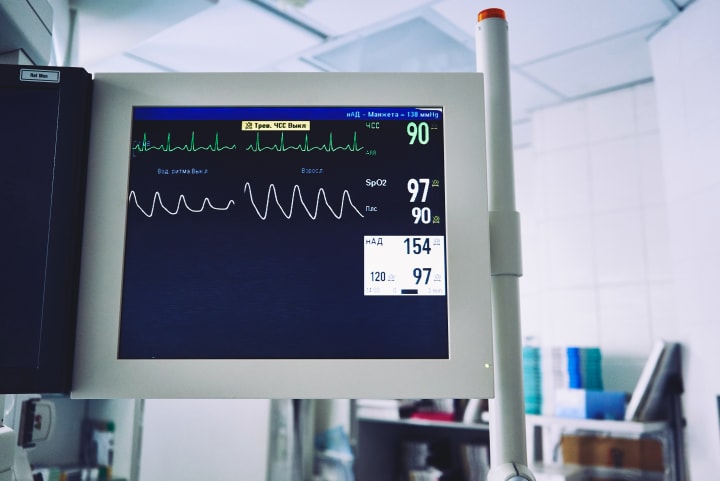
It is measured in millimeters of mercury (mmHg) and is represented by two numbers, the systolic pressure (top number) and diastolic pressure (bottom number). Normal blood pressure is considered to be around 120/80 mmHg, whereas hypertension is generally defined as a persistent blood pressure of 140/90 mmHg or higher.
The higher the blood pressure, the harder the heart has to work to pump blood, which can lead to a variety of health problems. Hypertension is a major risk factor for a variety of serious health conditions, including heart disease, stroke, kidney disease, blindness, and other serious health conditions.
It affects millions of people worldwide, and is estimated to be responsible for around 7.5 million deaths each year. Despite the significant public health burden of hypertension, it is often asymptomatic and can go undiagnosed for years. Therefore, early detection and management of hypertension are critical for preventing complications and improving outcomes.

Causes of Hypertension
There are several factors that can contribute to the development of hypertension. These include:
1. Family history: Genetics plays a role in hypertension, and having a family history of the condition can increase your risk of developing it.
2. Age: The risk of hypertension increases as you get older.
3. Gender: Men are more likely than women to develop hypertension before the age of 55, while women are more likely to develop it after the age of 55.
4. Lifestyle factors: Unhealthy lifestyle habits such as a poor diet, lack of physical activity, smoking, and excessive alcohol consumption can increase your risk of developing hypertension.
5. Obesity: Being overweight or obese puts extra strain on the heart and blood vessels, which can lead to hypertension.
6. Sleep Apnea: Sleep apnea is a condition where a person stops breathing repeatedly during sleep, and it can lead to the development of hypertension
7. Chronic conditions: Certain chronic conditions, such as diabetes, and kidney disease, can increase your risk of developing hypertension.
8. Medications: Certain medications, such as birth control pills, decongestants, and some prescription drugs, can also cause hypertension as a side effect.
Symptoms of Hypertension
Hypertension is often called the “silent killer” because it usually has no symptoms in the early stages. Many people with hypertension don’t even know they have it until it’s discovered during a routine medical exam. However, as the condition progresses, some people may experience:
1. Headaches
2. Shortness of breath
3. Dizziness
4. Chest pain
5. Vision problems
6. Nausea
7. Fatigue
It’s important to note that these symptoms can be caused by other medical conditions as well, and having one or more of these symptoms does not necessarily mean that you have hypertension. The only way to know for sure if you have hypertension is to have your blood pressure checked by a healthcare professional.
Complications of Hypertension
Hypertension can lead to many complications if left untreated. The most common complications of hypertension include:
Heart disease: Hypertension can damage the arteries that supply blood to the heart, increasing the risk of heart disease.
Stroke: Hypertension can cause blood vessels in the brain to burst or clog, leading to a stroke.
Cognitive decline: It can affect individuals in different ways, with symptoms ranging from mild forgetfulness to severe impairment. Some common signs of cognitive decline include difficulty with memory, language, and decision-making, as well as changes in mood and behavior.
Dementia: It is a general term used to describe the loss of memory and other thinking abilities severe enough to interfere with a person’s daily life and activities.
Kidney damage: Hypertension can damage the blood vessels in the kidneys, reducing their ability to function properly.
Eye loss: Hypertension can damage the blood vessels in the eyes, leading to vision problems and even blindness.
Peripheral arterial disease (PAD): It is a condition caused by atherosclerosis, where plaque builds up on the walls of the arteries that supply blood to the arms and legs.
Pregnancy Complications: Hypertension during pregnancy can lead to complications such as preeclampsia and premature birth.
Sexual dysfunction: Hypertension can reduce blood flow to the genitals, leading to sexual dysfunction in men and women.
Treatment of Hypertension
If you are diagnosed with hypertension, your doctor will likely recommend a combination of lifestyle changes and medication to help manage your condition. Here are some of the most common treatments:
Lifestyle changes: Making changes to your diet, exercise habits, and other lifestyle factors can help lower your blood pressure. Some effective lifestyle changes include:
1. Eating a diet that is low in sodium and high in fruits, vegetables, and whole grains.
2. Exercising regularly, ideally for at least 30 minutes a day.
3. Quitting smoking and avoiding secondhand smoke.
4. Limiting alcohol intake.
5. Maintaining a healthy weight.
Medications: There are several medications available to lower blood pressure, including:
1. Diuretics: These medications help the body get rid of excess sodium and fluid, which can lower blood pressure.
2. ACE inhibitors: These medications help relax blood vessels and lower blood pressure.
3. Calcium channel blockers: These medications help relax blood vessels and reduce the heart’s workload, which can lower blood pressure.
4. Beta blockers: These medications help reduce the heart’s workload and lower blood pressure.
5. Combination therapy: In some cases, a combination of medications may be necessary to lower blood pressure effectively.
Blood Pressure Monitoring: Regular blood pressure monitoring is essential to ensure that the treatment plan is working effectively.
Managing Underlying Conditions: If hypertension is caused by an underlying condition such as sleep apnea or chronic kidney disease, managing that condition can help lower blood pressure.
Surgery: In rare cases, surgery may be recommended to treat hypertension. One example is renal artery stenosis, a condition in which the artery that supplies blood to the kidney becomes narrowed, leading to hypertension. Surgery to widen the artery can help to lower blood pressure.
It’s important to note that hypertension is a chronic condition, and treatment may need to be continued indefinitely to prevent complications.
Prevention of Hypertension
There is no guaranteed way to prevent hypertension. While some risk factors for hypertension, such as age and family history, cannot be controlled, there are several steps you can take to reduce your risk of developing hypertension:
Maintain a healthy weight: Being overweight or obese increases your risk of developing hypertension, so maintaining a healthy weight is important.
Eating a balanced diet: Eating a diet rich in fruits, vegetables, whole grains, lean protein, and low-fat dairy products can help to lower blood pressure.
Reducing Salt Intake: Consuming too much salt can contribute to hypertension, so reducing salt intake can help prevent hypertension.
Engage in regular physical activity: Regular exercise can help lower blood pressure and reduce your risk of hypertension.
Limit alcohol consumption: Drinking too much alcohol can increase your blood pressure, so it’s important to limit your consumption.
Quit smoking: Smoking can damage blood vessels and increase your risk of hypertension, so quitting smoking is important for maintaining good health.
Manage stress: Chronic stress can raise blood pressure, so finding ways to manage stress, such as through meditation, yoga, or deep breathing exercises, can help lower your risk of hypertension.
Conclusion
Hypertension is a common medical condition that can lead to serious health problems if left untreated. While there are several risk factors for hypertension that cannot be controlled, such as age and family history, there are several steps you can take to reduce your risk of developing the condition, such as maintaining a healthy weight, following a healthy diet, engaging in regular physical activity, limiting alcohol consumption, quitting smoking, and managing stress.
If you have hypertension, it’s important to work with your healthcare provider to develop a treatment plan that is right for you. This may include making lifestyle changes, taking medications, or a combination of both. With proper management, it is possible to control hypertension and reduce the risk of complications.
About the Creator
ZAMAL UL ALAM
I am constantly pushing the boundaries of what is possible in the digital space, always seeking new and innovative ways to tell stories and engage with audiences.
Keep reading
More stories from ZAMAL UL ALAM and writers in Longevity and other communities.
Parasites Disease Control and Prevention
Parasites are a diverse group of organisms that live on or inside another organism (known as the host) and rely on the host for survival. While many parasites are harmless, some can cause serious health problems in humans and animals. This article will explore the world of parasitic organisms, including their life cycle, transmission, and impact on human health.
By ZAMAL UL ALAM3 years ago in Longevity



Comments
There are no comments for this story
Be the first to respond and start the conversation.