
Is Your Home Making Your Child Sick?
Addressing Mold and Neurological Risks

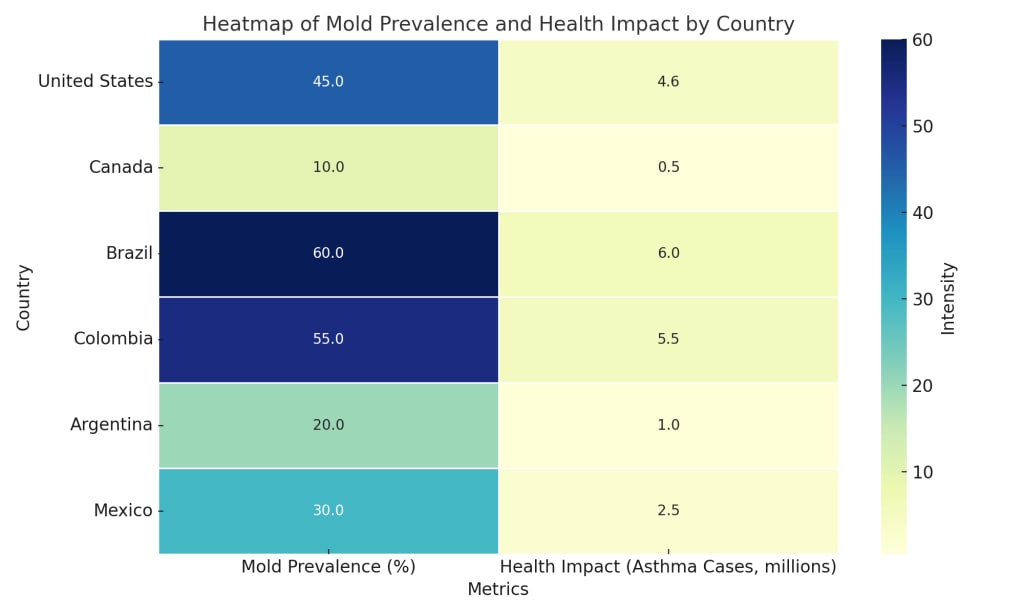
Mold exposure is often seen as a minor inconvenience—a patch of discoloration on a wall or a musty smell in the air. However, research is beginning to reveal a more concerning reality: the presence of mold in our homes could have far-reaching impacts, especially on children's neurological health. For families already navigating the challenges of autism spectrum disorder (ASD), mold exposure might be an overlooked factor that exacerbates symptoms or contributes to developmental concerns.
This blog explores the links found between mold exposure and neurological risks, including autism, and offers actionable steps to protect your home and family.
The Growing Concern: Mold and Health Risks
Mold thrives in damp, poorly ventilated environments, producing spores and mycotoxins that can pose serious health threats. While the most commonly recognized issues include respiratory problems and allergies, new research points to mold's role in neurological complications:
- Inflammation in the Brain: Mycotoxins can trigger immune responses, leading to brain inflammation, which may affect neurological development.
- Oxidative Stress: Exposure to mold may increase oxidative stress, a condition that damages cells and has been implicated in autism.
- Behavioral Changes: Studies have observed higher rates of neurobehavioral abnormalities in children exposed to mold, particularly among those with pre-existing conditions like autism.
Why Children Are More Vulnerable
Children are more susceptible to environmental toxins due to their developing immune systems and higher rates of respiration compared to adults. For those with ASD, who may already experience heightened sensitivities, mold exposure could intensify symptoms such as:
- Increased sensory challenges.
- Behavioral changes, including irritability or lethargy.
- Worsened communication or social interactions.
These risks highlight the importance of identifying and mitigating mold exposure early.
How to Recognize Mold Risks in Your Home
Mold can be sneaky, often growing in hidden areas. Here’s how to detect potential risks:
- Look for Visible Signs: Black or green patches on walls, ceilings, or carpets.
- Smell for Musty Odors: Persistent damp smells can indicate mold growth.
- Inspect High-Risk Areas: Basements, bathrooms, and kitchens are common mold hotspots.
- Monitor Health Symptoms: Chronic respiratory issues, headaches, or worsening ASD symptoms in children could be clues.
Protect your family's health with the revolutionary Air Fountain System! Combat moisture, reduce mold risk, and improve your home's air quality effortlessly. Take the first step towards a healthier home today – Learn More and Order Here!
Practical Steps to Protect Your Family
Creating a safe, mold-free environment is critical for your family’s health. Here are actionable steps to address the problem:
- Improve Ventilation: Use exhaust fans in bathrooms and kitchens to reduce moisture buildup.
- Control Humidity: Keep indoor humidity levels below 50% with a dehumidifier.
- Fix Water Leaks Promptly: Repair leaks in roofs, pipes, and windows to prevent damp conditions.
- Use Mold-Resistant Products: Opt for mold-resistant drywall or paint in vulnerable areas.
- Invest in Air Quality Solutions: Air purifiers with HEPA filters can reduce airborne mold spores.
The Bigger Picture: Advocacy and Awareness
Addressing mold in homes is about more than personal safety; it’s part of a larger conversation about environmental health and its impact on neurological conditions like autism. By sharing knowledge and advocating for better housing conditions, especially in high-risk communities, we can help reduce these hidden threats to health.
Protect your family's health with the revolutionary Air Fountain System! Combat moisture, reduce mold risk, and improve your home's air quality effortlessly. Take the first step towards a healthier home today – Learn More and Order Here!
Conclusion
Mold exposure is an environmental factor that deserves more attention, particularly for families with children on the autism spectrum. While the research linking mold to neurological risks is still developing, the potential implications are too significant to ignore. By taking proactive steps to prevent and address mold growth, you can create a healthier living space for your family and reduce the risks associated with this silent intruder.
Protect your home and your loved ones today. Learn How!
- Prevalence of Autism: "Recent estimates suggest that the prevalence of autism spectrum disorder (ASD) ranges from 0.7% to 1% globally. This figure indicates a significant public health concern, prompting investigations into environmental factors like mold exposure that may contribute to this prevalence."
- Mold Exposure and Health Risks: "Mold thrives in damp environments and can produce mycotoxins, which are harmful compounds that may affect health. Mold exposure has been linked to various health issues, including respiratory problems and neurological symptoms."
- Research Findings:
- "A study indicated that children exposed to mold in their homes were more likely to develop autism compared to those without such exposure. The study suggested that mold may cause inflammation in the brain, potentially leading to neurological problems, including autism."
- "Another pilot study found that autistic children exposed to mycotoxins had a 1.8-fold higher number of neurobehavioral abnormalities compared to non-exposed autistic children and a 12.2-fold increase compared to non-autistic children."
- Mechanisms of Influence: "Mold exposure can trigger immune responses leading to inflammation and oxidative stress, which may affect brain development and function."
This blog contains links to reputable sources for further reading and transparency. Please note that external links are for informational purposes and are not endorsements of specific opinions or practices.
About the Creator
Aja Truth
What feels like mass deception is the collision between buried history and real-time exposure.(INFJ Pattern Recognition with Data Driven Facts)
Day 4 of Quitting
If this is how sobriety feels, maybe it’s better to go through life a little buzzed… this, along with other hits like, I want to kill myself, I wish I was dead, and I’m going to throw myself off a bridge have been the only thoughts on rotation these past few days. I promise myself that if, in a month, I still feel like this (‘this’ meaning despondent, full of rage, and simultaneously numb) I can go back to smoking. Until mid-February though? Nicotine is off the table.
By sleepy drafts30 days ago in Longevity




Comments (1)
Such an important issue! The practical steps provided to mitigate mold risks are incredibly helpful, as I know so many people have mold in their home and don't know it. Thank you for raising awareness about this often-overlooked health concern!" 😊