science
The science of staying young, healthy, and in-shape.
Why Do the Northern Lights Keep Appearing?. AI-Generated.
In recent months, the Northern Lights — also known as the aurora borealis — have been appearing more frequently and in places where they are rarely seen. From northern Europe and Canada to parts of the United States and even lower latitudes, skies have been glowing with vivid curtains of green, pink, and purple light. Scientists say this surge in aurora activity is not random. It is closely tied to changes in the Sun and Earth’s magnetic environment. The growing visibility of the Northern Lights has fascinated skywatchers while raising questions about what is happening in space above our planet. What Are the Northern Lights? The Northern Lights occur when charged particles from the Sun collide with gases in Earth’s atmosphere. These particles are carried toward Earth by solar wind and guided by the planet’s magnetic field toward the polar regions. When they strike oxygen and nitrogen molecules high in the atmosphere, energy is released in the form of light. Different gases produce different colors. Oxygen creates green and red light, while nitrogen produces blue and purple hues. The shimmering patterns are shaped by Earth’s magnetic field lines and the movement of solar particles. Under normal conditions, auroras are mostly visible near the Arctic Circle. But during periods of intense solar activity, they can be seen much farther south. The Role of the Sun’s Activity Cycle The primary reason the Northern Lights have been appearing more often is the Sun’s natural 11-year solar cycle. The Sun goes through periods of low and high activity, known as solar minimum and solar maximum. During solar maximum, the Sun produces more sunspots, solar flares, and coronal mass ejections (CMEs). Currently, the Sun is approaching or entering a phase of heightened activity. This means it is releasing stronger bursts of charged particles into space more frequently. When these particles reach Earth, they interact with the magnetosphere and intensify auroral displays. Scientists say this cycle explains why auroras have become brighter and more common over the past year. Solar Storms and Geomagnetic Disturbances Large solar eruptions, especially coronal mass ejections, can cause powerful geomagnetic storms when they strike Earth’s magnetic field. These storms compress and disturb the magnetosphere, allowing more solar particles to penetrate the atmosphere. During such events, auroras can spread across much wider areas than usual. This is why people in regions like the northern United States, the UK, Germany, and even parts of southern Europe have reported seeing the lights recently. While these storms are visually stunning, they can also disrupt satellites, radio communications, and power grids if they become strong enough. Why They Seem More Frequent Now There are several reasons people feel the Northern Lights are appearing more often: Increased solar activity – The Sun is entering a more active phase of its cycle. Better monitoring technology – Satellites now track solar storms more accurately and alert the public when auroras are likely. Social media exposure – Stunning images shared online make auroras feel more frequent and widespread. Clearer skies in some regions – Reduced air pollution in certain areas has made night skies more visible. Together, these factors have created the impression of constant aurora events. Are the Northern Lights Dangerous? For most people on Earth’s surface, auroras are harmless. They occur high above the ground, usually more than 100 kilometers above the surface. However, strong solar storms associated with intense auroras can affect modern technology. Airlines sometimes reroute flights away from polar regions during major solar events to avoid radiation exposure and communication disruptions. Power companies also take precautions to protect electrical grids from geomagnetic interference. Scientists stress that while solar storms can be disruptive, they are a natural part of space weather and are carefully monitored. What This Means for the Future Experts predict that auroral activity will remain strong for the next few years as the Sun continues through its active phase. This means more opportunities for people outside polar regions to witness the Northern Lights. Astronomers and space agencies are using this period to study how solar activity affects Earth’s atmosphere and technology. Understanding these interactions is becoming increasingly important as humanity relies more heavily on satellites, GPS systems, and global communications networks. Some researchers also see this as a reminder of how closely Earth is connected to space. The glowing skies are not just beautiful displays — they are visible evidence of powerful forces shaping our planet from 150 million kilometers away. A Rare Gift of Nature For many, the repeated appearance of the Northern Lights has been a rare gift. Communities that never expected to see auroras have gathered at night to watch the skies in awe. The phenomenon has sparked renewed interest in astronomy and space science among the public. Despite modern explanations, the Northern Lights still carry a sense of mystery. Ancient cultures believed they were spirits, gods, or messages from the heavens. Today, science has revealed their true origin, but the emotional impact remains the same. As long as the Sun continues its cycles of activity, the Northern Lights will keep returning — reminding humanity that even in an age of technology, nature still has the power to surprise and inspire.
By Fiaz Ahmed 2 days ago in Longevity
United States Allergy Treatment Market Size & Forecast 2026–2034: Innovation, Awareness, and Biologics Reshape Care. AI-Generated.
Market Overview: A Decade of Steady, Science-Led Growth The United States allergy treatment market is entering a period of sustained expansion, driven by rising allergy prevalence, advanced therapeutics, and a growing emphasis on long-term disease management. According to Renub Research, the market is expected to grow from US$ 6.33 billion in 2025 to US$ 10.61 billion by 2034, registering a compound annual growth rate (CAGR) of 5.91% during 2026–2034.
By Sakshi Sharma3 days ago in Longevity
Economic Crisis in 2026: Navigating the Global Challenges. AI-Generated.
As we step into 2026, the world is witnessing one of the most profound economic crises in decades. The convergence of multiple global challenges—political instability, inflationary pressures, technological disruptions, and environmental disasters—has created an economic storm that is affecting nations, businesses, and individuals alike. Governments and international organizations are scrambling to respond, but many economists warn that this crisis may be unlike any we have seen before. The scale and complexity of the economic downturn raise important questions about the future of global trade, economic recovery, and societal resilience.
By Fiaz Ahmed 3 days ago in Longevity
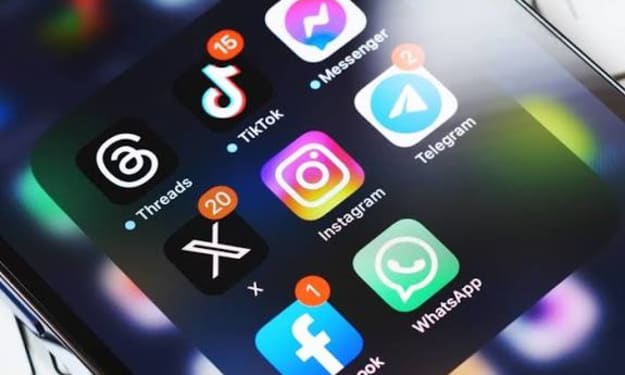
Social Media Giants Announce Major Policy Changes. AI-Generated.
In 2026, leading social media companies shocked users and governments alike by announcing sweeping policy changes aimed at reshaping how online platforms operate. These reforms focus on user privacy, content moderation, artificial intelligence, and digital well-being. Companies such as Meta, X (formerly Twitter), Google-owned YouTube, and TikTok revealed new guidelines designed to respond to growing public criticism over misinformation, data misuse, and the mental health impact of social media. The policy changes come after years of pressure from regulators and civil society groups demanding greater accountability from tech corporations. Governments around the world have introduced stricter digital laws, forcing platforms to rethink how they manage user data and online content. The new policies mark one of the most significant shifts in the history of social media. One of the most important changes involves stronger content moderation rules. Social media giants announced they will use advanced artificial intelligence systems to detect harmful content such as hate speech, violent material, and misinformation more quickly. These systems will work alongside human review teams to ensure accuracy and fairness. Companies stated that their goal is to reduce the spread of false information without limiting freedom of expression. Critics, however, worry that automated moderation could still make mistakes and unfairly silence certain voices. Another major reform focuses on user privacy and data protection. Platforms have promised to give users more control over their personal information. New tools allow individuals to see exactly how their data is collected, stored, and used for advertising. Some companies have even announced plans to reduce targeted advertising for minors and limit tracking across different apps and websites. This shift reflects growing awareness about digital surveillance and the need for ethical data practices. Social media companies also introduced new policies to address mental health and digital addiction. Features such as automatic screen-time reminders, content filtering, and healthier algorithm designs aim to reduce overexposure to harmful material. Teen users will now see fewer posts related to extreme beauty standards or risky behavior. Experts believe these changes could improve emotional well-being and reduce anxiety and depression linked to excessive social media use. Another significant update is related to political and election-related content. Platforms have announced stricter rules for political advertising and clearer labeling of sponsored posts. Fact-checking partnerships with independent organizations will be expanded to reduce the spread of fake news during elections. This move follows criticism that social media companies failed to protect democratic processes in the past. Artificial intelligence plays a central role in the new policy framework. Social media giants will now label AI-generated images, videos, and text to prevent deception. Deepfake detection tools are being introduced to identify manipulated media that could be used for scams or propaganda. This is especially important as AI-generated content becomes more realistic and widespread. The business impact of these policy changes is also significant. Advertising strategies may shift as companies reduce data collection and focus on transparent marketing. Smaller businesses may benefit from clearer rules, while influencers and content creators will need to adapt to stricter guidelines. Some creators fear that increased moderation could affect their reach, while others welcome a safer and more respectful online environment. Public reaction has been mixed. Many users support stronger protections against harmful content and data misuse. Parents and educators especially praise the focus on youth safety. However, some activists argue that the changes do not go far enough and demand full transparency in how algorithms work. Free speech advocates worry about censorship, while privacy supporters insist that these reforms are long overdue. Technology experts say these policy shifts represent a turning point in the digital era. Social media platforms are no longer just entertainment tools; they are global communication systems with political, cultural, and economic power. With billions of users worldwide, their decisions shape public opinion and social behavior. Despite the positive intentions, challenges remain. Enforcing policies consistently across different countries with different laws and cultures is difficult. Balancing user rights with safety will continue to be a complex task. Companies must also invest heavily in technology and staff to make these reforms effective. In conclusion, the announcement of major policy changes by social media giants marks a new chapter in the evolution of the internet. By focusing on privacy, mental health, misinformation, and ethical AI, these platforms are attempting to rebuild public trust and create safer digital spaces. Whether these reforms succeed will depend on transparency, enforcement, and continued dialogue with users and governments. One thing is certain: social media in 2026 will not look the same as it did in the past, and these policy changes will shape the future of online communication for years to come.
By Fiaz Ahmed 3 days ago in Longevity
New Smartphone Technology Shocks the World. AI-Generated.
In 2026, the global technology industry was stunned by the release of revolutionary smartphone technology that redefined what a mobile device can do. What was once seen simply as a communication tool has now evolved into a powerful, intelligent companion capable of performing tasks that were unimaginable just a few years ago. From holographic displays to advanced artificial intelligence and ultra-fast charging systems, the latest smartphone innovations have shocked consumers, industry experts, and competitors alike. One of the most groundbreaking features of this new smartphone technology is the introduction of holographic and foldable display systems. Unlike traditional flat screens, these devices project three-dimensional visuals that appear to float above the screen. Users can interact with images, videos, and applications through hand gestures without touching the display. This advancement has transformed gaming, video conferencing, and education by making digital experiences more immersive and lifelike. Foldable screens have also reached new levels of durability, allowing phones to expand into tablet-sized devices while remaining thin and lightweight. Artificial intelligence has become the true brain of modern smartphones. The new generation of devices comes equipped with AI-powered personal assistants that understand emotions, predict user needs, and learn behavior patterns over time. These assistants can schedule appointments, manage finances, recommend health routines, and even hold meaningful conversations. Unlike earlier voice assistants, today’s AI systems respond naturally and adapt to individual lifestyles, making smartphones feel more human than ever before. Battery technology has also undergone a dramatic transformation. New smartphones now use solid-state batteries that charge in just minutes and last several days on a single charge. This innovation has solved one of the biggest problems users have faced for years—short battery life. In addition, wireless charging has become more powerful and efficient, allowing devices to recharge simply by being placed on any compatible surface. Some models even support solar-assisted charging, using sunlight to extend battery performance. Another shocking advancement is in camera and imaging technology. Smartphone cameras now rival professional photography equipment. With ultra-high resolution lenses, night-vision capabilities, and AI-enhanced editing, users can capture cinematic-quality photos and videos. Real-time translation and object recognition features allow the camera to identify landmarks, read foreign languages, and provide instant information. These tools have turned smartphones into portable research devices and creative studios. Security and privacy have reached a new level with the introduction of biometric and neural authentication systems. Instead of relying solely on fingerprints or facial recognition, smartphones can now verify users through heart rhythms, voice patterns, and even brainwave responses. This technology makes hacking nearly impossible and ensures that personal data remains protected. Governments and cybersecurity experts have praised these developments as a major step toward safer digital environments. Connectivity has also shocked the world with the full expansion of 6G network compatibility. These smartphones offer lightning-fast data speeds, allowing users to download large files in seconds and stream ultra-high-definition content without interruption. Real-time cloud computing enables phones to perform complex tasks such as video rendering and data analysis without overheating or slowing down. This has transformed smartphones into portable supercomputers. Health and wellness integration is another area where smartphone technology has surprised users. Built-in sensors can now monitor heart health, blood pressure, stress levels, and sleep quality continuously. Some devices can even detect early signs of illness and recommend medical checkups. These features have made smartphones essential tools for preventive healthcare and personal well-being. The impact of this new smartphone technology extends beyond individual users. Industries such as education, business, and entertainment are being reshaped. Virtual classrooms powered by holographic screens allow students to interact with teachers in real-time. Businesses use AI-driven phones for remote management and customer service. Artists and filmmakers create professional content using only smartphones, reducing the need for expensive equipment. Despite the excitement, experts also warn about challenges. The rapid pace of innovation raises concerns about digital addiction, data privacy, and economic inequality. Not everyone can afford these advanced devices, creating a gap between technology users. Governments and companies must work together to ensure responsible use and fair access. In conclusion, new smartphone technology has truly shocked the world by pushing the boundaries of innovation. With holographic displays, AI intelligence, powerful batteries, advanced security, and health monitoring, smartphones are no longer just communication tools—they are becoming essential life companions. As technology continues to evolve, these devices will shape how people work, learn, and connect with the world. The future of smartphones is not just smart—it is extraordinary.
By Fiaz Ahmed 3 days ago in Longevity
ChatGPT Evolution: How AI Changed the Internet Forever. AI-Generated.
The rise of artificial intelligence has transformed nearly every aspect of modern life, but few innovations have reshaped the internet as profoundly as ChatGPT. From its early beginnings as a simple conversational tool to becoming a powerful engine of knowledge, creativity, and automation, ChatGPT represents a turning point in how humans interact with technology. Its evolution has not only changed how people search for information but has also redefined communication, business, education, and digital culture itself.
By Fiaz Ahmed 3 days ago in Longevity
How a Cut on the Foot Led to a Dangerous Infection While Pregnant. AI-Generated.
Small injuries can become serious health risks during pregnancy Pregnancy is a time when even minor injuries can have significant consequences. A simple cut on the foot, often seen as trivial, can sometimes lead to dangerous infections, particularly during pregnancy. The combination of changes in the immune system, circulation, and hormonal shifts can make pregnant individuals more vulnerable to complications. Medical professionals emphasize that prompt attention to cuts, scrapes, and wounds is essential to prevent infections that could threaten both the mother and the baby. The Case of a Cut That Escalated Consider the story of Emma, a 28-year-old pregnant woman. While gardening, she accidentally cut her foot on a thorn. Initially, she cleaned the wound, applied a bandage, and thought little of it. However, within a few days, she noticed: Redness spreading around the cut Swelling and warmth Increasing pain Mild fever By the time she sought medical care, the infection had progressed significantly. Tests revealed a bacterial infection that required immediate treatment to prevent more severe complications. Why Pregnancy Increases Risk During pregnancy, the body undergoes several changes that make infections more dangerous: Weakened Immune Response The immune system adapts to support the developing fetus, which can reduce the body’s ability to fight off bacteria effectively. Changes in Blood Circulation Increased blood volume and changes in circulation can sometimes slow the healing process and allow infections to spread more easily. Hormonal Shifts Hormones like progesterone affect skin elasticity and tissue repair, which may make cuts more susceptible to bacteria. These factors combined mean that a small cut can quickly escalate into a serious infection if not treated promptly. Signs of Infection to Watch For Medical experts recommend that pregnant individuals pay close attention to any wound, even if it seems minor. Common warning signs include: Redness and swelling beyond the cut itself Pus or unusual discharge Warmth or throbbing pain Fever or chills Rapid spreading of the affected area If any of these symptoms appear, seeking immediate medical attention is critical to prevent further complications. Potential Complications Left untreated, infections during pregnancy can lead to serious issues for both mother and baby, including: Sepsis: A life-threatening systemic infection that can spread through the body Preterm labor: Infections can trigger early contractions Low birth weight: Maternal infections may affect fetal growth Necrotizing infections: Severe bacterial infections that destroy tissue These risks underscore the importance of treating even small injuries seriously. Steps to Prevent Infection Pregnant individuals can take practical steps to reduce the risk of infection from minor cuts: Clean the Wound Immediately Use mild soap and water to remove dirt and debris. Avoid harsh chemicals that can irritate the skin. Apply an Appropriate Dressing Cover the wound with a clean bandage and change it regularly to keep the area protected. Monitor Closely Check the cut daily for redness, swelling, or discharge. Seek Prompt Medical Advice If signs of infection appear, consult a healthcare provider immediately. Antibiotics may be prescribed, and certain medications are safe to use during pregnancy under medical supervision. Maintain General Health A balanced diet, good hydration, and proper prenatal care strengthen the immune system and support wound healing. When to Contact a Doctor Even if a cut seems minor, pregnant individuals should contact a healthcare provider if: The wound does not start healing within a couple of days Redness or swelling spreads quickly There is pus, foul odor, or discharge Fever or chills develop Early treatment can prevent serious complications and ensure both mother and baby remain safe. Lessons From Real Cases Emma’s story is not unique. Healthcare providers report numerous cases where minor injuries escalated during pregnancy due to delayed care or underestimating the risks. These examples highlight the importance of awareness and taking even small injuries seriously. Pregnancy requires extra caution because the body’s natural defenses are temporarily altered, and infections can progress more rapidly than in non-pregnant individuals. Conclusion A cut on the foot may seem minor, but during pregnancy, even small wounds can lead to dangerous infections. Changes in the immune system, circulation, and hormones increase susceptibility and can make complications more severe. Pregnant individuals should treat every cut seriously, monitor for warning signs, and seek medical attention promptly. Early action can prevent serious health risks and ensure the safety of both mother and baby. This case serves as a reminder that vigilance, care, and prompt medical consultation are essential during pregnancy—even for seemingly small injuries.
By Fiaz Ahmed 5 days ago in Longevity
What If Truth Is Rejected Even When It Is Lived Well
It’s easy to assume that if something is true, and if it is communicated clearly, reasonably, and with goodwill, it will eventually be accepted. This assumption sits quietly beneath a lot of effort, especially in faith. We speak carefully. We try to be fair. We explain ourselves patiently. Somewhere beneath all of that is the hope that clarity and sincerity will be enough. But what if that hope misunderstands how truth actually moves through the world.
By Peter Thwing - Host of the FST Podcast6 days ago in Longevity
Truth Is Often Rejected Because It Demands Change
There is a widespread assumption, rarely spoken but deeply believed, that truth will eventually be accepted if it is communicated clearly, patiently, and with genuine goodwill. When resistance appears, the instinct is to search for error in tone, framing, or explanation. The underlying belief is simple: if the truth were presented well enough, rejection would disappear. This belief is comforting, but it is false. History, Scripture, and lived experience all point in the same direction. Truth is often rejected not because it is unclear, but because it is costly.
By Peter Thwing - Host of the FST Podcast6 days ago in Longevity
Preservation for Eternal Impact
It is easy to feel as though most of what is said disappears. Words are spoken, written, posted, argued over, and then quickly buried beneath the next wave of noise. Attention moves on. Platforms refresh. What once felt urgent becomes invisible. In that environment, a quiet but persistent question emerges. What actually lasts. And more uncomfortably, what is worth preserving when so much seems to vanish without consequence.
By Peter Thwing - Host of the FST Podcast7 days ago in Longevity