science
The science of staying young, healthy, and in-shape.
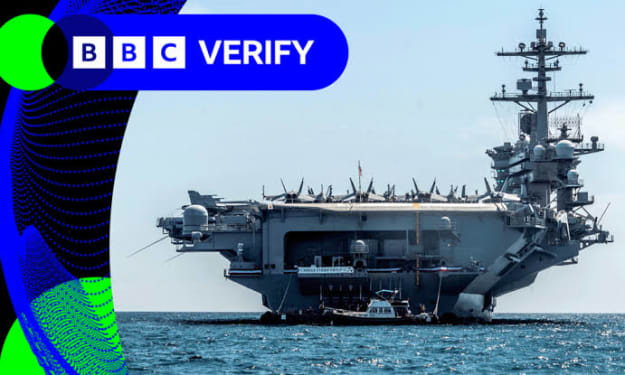
World’s Most Powerful Warship Launches Jets in Caribbean. AI-Generated.
US Navy demonstrates power and readiness in strategic exercises The world’s most powerful warship recently conducted a series of jet launches in the Caribbean, showcasing the United States Navy’s strength, mobility, and operational capability. The exercises are part of routine training, but they also send a clear signal of deterrence, readiness, and commitment to regional security. The aircraft carrier, equipped with advanced technology and a full complement of fighter jets, represents the pinnacle of naval power. Its presence in the Caribbean underscores both military capability and strategic influence in a region vital to international trade and security. Details of the Exercise During the deployment, the carrier conducted multiple operations, including: Launching and recovering fighter jets in simulated combat scenarios Coordinating with support vessels in the carrier strike group Conducting air defense drills and reconnaissance missions These exercises allow pilots and crew to maintain peak operational readiness. They also test the carrier’s ability to coordinate complex flight operations in real-world conditions. Why the Caribbean Matters The Caribbean region is strategically important for several reasons: Shipping and Trade Routes – Vital sea lanes connect the Americas to Europe and Asia. Regional Security – The US and its allies monitor threats ranging from piracy to illegal trafficking. Natural Disaster Response – Naval assets can provide rapid humanitarian assistance after hurricanes and other disasters. By conducting exercises in this area, the US Navy ensures it can respond quickly to crises while maintaining a visible presence. The Carrier’s Capabilities The aircraft carrier involved in the exercises is among the most advanced in the world. Features include: A full air wing of fighter jets, electronic warfare planes, and surveillance aircraft Advanced radar and defense systems capable of tracking multiple threats simultaneously State-of-the-art propulsion and navigation systems, allowing sustained operations far from home ports This combination of capabilities allows the ship to project power, protect allies, and maintain control of strategic waterways. Training and Operational Benefits Carrier-based exercises are not just demonstrations; they are critical training opportunities for personnel. They help crews practice: Emergency procedures during flight operations Coordination with aircraft and escort ships Tactical decision-making under simulated combat conditions Pilots, sailors, and officers gain hands-on experience that prepares them for real-world operations, from defensive missions to humanitarian assistance. International Significance The presence of such a powerful warship in the Caribbean also has international implications. Allies and partners observe these exercises as: A signal of the US commitment to regional stability Proof of interoperability for joint operations with allied nations A demonstration of the capabilities available in crises or conflict scenarios For neighboring countries, it reassures them of support in emergencies, while also deterring potential threats. Technology and Innovation Modern aircraft carriers rely heavily on technology to maintain superiority. During the Caribbean exercises, the carrier demonstrated: Integration of advanced fighter jets capable of rapid launch and recovery Networked communications systems linking ship, air, and support units Enhanced radar and sensor arrays for detecting surface and aerial threats These innovations ensure the ship remains relevant in modern warfare, where speed, precision, and situational awareness are critical. Humanitarian and Strategic Readiness Beyond combat operations, the US Navy uses carriers for humanitarian missions. In the Caribbean, ships like this can deliver emergency supplies, medical aid, and disaster relief personnel. Exercises in this region also help crews practice rapid deployment, ensuring they can adapt to changing conditions—whether responding to a hurricane or a security threat. Global Presence and Deterrence Naval experts note that aircraft carriers serve both operational and symbolic purposes. Their presence in key regions signals: Readiness to respond to crises anywhere in the world Commitment to allies and regional stability Technological and military superiority By operating in the Caribbean, the US Navy demonstrates that it can project power far from domestic shores, a key aspect of modern military strategy. Conclusion The launch of jets from the world’s most powerful warship in the Caribbean illustrates the combined importance of training, readiness, and strategic presence. These exercises not only prepare crews for potential conflicts but also reinforce the US commitment to regional security and rapid response capabilities. As global tensions evolve and maritime security challenges grow, the US Navy’s ability to deploy advanced carriers and conduct complex operations remains a critical element of both defense strategy and international diplomacy.
By Fiaz Ahmed 7 days ago in Longevity
What Tracking Data and Satellites Can Tell Us About the US Military Build-Up in the Gulf. AI-Generated.
Open-source technology offers new insight into troop movements and regional tensions In recent months, growing attention has focused on a possible US military build-up in the Gulf region. While official statements often provide limited details, a surprising amount of information is now visible through tracking data, satellite imagery, and open-source intelligence. These tools allow analysts, journalists, and even the public to observe military movements that were once hidden from view. As tensions remain high in the Middle East, tracking data is playing a key role in shaping how the world understands military activity in the Gulf. How Tracking Data Reveals Military Movement Modern ships and aircraft often use transponders that broadcast location data for safety and navigation. Although military units can limit or disable these signals, they are sometimes left on during transit or support missions. By monitoring this data, analysts can track: Naval deployments Aircraft movements Supply routes and logistics patterns Commercial flight trackers and maritime databases show increased US naval traffic, including aircraft carriers, destroyers, and support vessels moving toward or within the Gulf. While these systems do not reveal mission details, they help build a broader picture of military posture. The Role of Satellite Imagery Satellite imagery has become one of the most powerful tools for observing military activity. High-resolution commercial satellites can capture images of bases, ports, airfields, and naval formations with remarkable clarity. Recent satellite images have shown: Increased aircraft presence at regional air bases Expanded activity at naval ports Temporary infrastructure such as fuel storage and shelters These changes suggest a heightened state of readiness, even if official explanations focus on routine operations or exercises. Why the Gulf Region Matters The Gulf is one of the world’s most strategically important regions. It hosts major shipping routes, energy infrastructure, and long-standing US military bases. Any shift in military presence here attracts global attention. The United States has maintained forces in the region for decades to: Protect shipping lanes Support regional allies Deter potential threats Tracking data helps observers understand whether current movements represent routine rotations or a response to rising tensions. Patterns That Raise Questions Analysts often look for patterns rather than single movements. One ship or aircraft does not signal much on its own, but repeated activity can suggest a trend. Recent data points to: Increased tanker aircraft flights More frequent naval resupply operations Longer deployments for certain units These patterns can indicate preparation for sustained operations, though they do not confirm any specific action. Limits of Open-Source Intelligence While tracking data and satellites provide valuable insight, they also have clear limitations. Military forces can mask movements, restrict signals, or conduct operations under cover. Additionally, imagery shows what is happening, not why it is happening. Analysts must be careful not to overinterpret incomplete information. Experts stress that open-source data should be viewed as context, not proof of intent. Why Transparency Has Increased Technology has shifted the balance between secrecy and visibility. In the past, only governments had access to detailed surveillance tools. Today, commercial satellites and public databases have made military activity more visible than ever. This increased transparency has several effects: Governments face greater public scrutiny Media can challenge official narratives Misinformation can spread if data is misunderstood As a result, careful analysis and responsible reporting are more important than ever. Impact on Diplomacy and Public Perception When satellite images or tracking data circulate online, they can influence public opinion and diplomatic discussions. Images of ships or aircraft may raise concerns among allies or rivals, even if no escalation is intended. Officials often respond by emphasizing that deployments are defensive or routine, aiming to calm speculation. Still, visual evidence can shape narratives faster than official statements. What Happens Next As long as tensions remain, tracking data will continue to be closely watched. Analysts expect ongoing monitoring of: Naval patrol patterns Airbase activity Logistics and supply movements Any sudden changes could signal a shift in strategy, prompting renewed diplomatic efforts or heightened alert levels. Conclusion Tracking data and satellite imagery have transformed how military build-ups are observed and understood. In the Gulf, these tools offer rare insight into the scale, pace, and nature of US military activity, even when official details are limited. While such data cannot reveal intentions, it helps create a clearer picture of regional dynamics. As technology continues to advance, open-source intelligence will remain a powerful lens through which global security developments are viewed—bringing both greater awareness and new challenges in interpretation.
By Fiaz Ahmed 7 days ago in Longevity
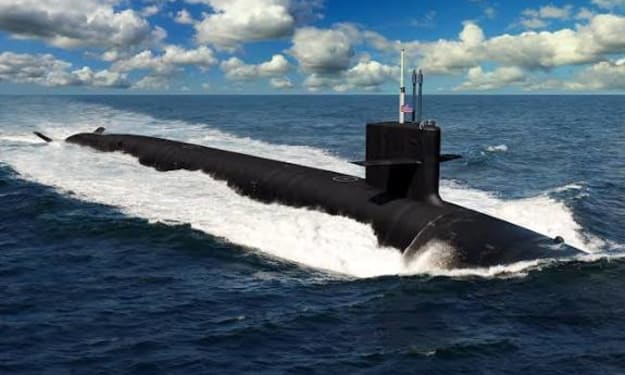
New Naval Power and Propulsion Facility Opens in South Carolina. AI-Generated.
Major investment strengthens US naval readiness, technology, and local economy A new naval power and propulsion facility has officially opened in South Carolina, marking a major milestone for the United States Navy and the country’s defense infrastructure. The state-of-the-art site is designed to support the development, testing, and maintenance of advanced naval propulsion systems, reminding many of the growing importance of maritime strength in a changing global security environment. Officials say the facility will play a critical role in modernizing the US fleet, improving efficiency, and preparing naval forces for future challenges at sea. A Strategic Addition to US Naval Infrastructure The new facility is focused on power generation and propulsion technologies used in modern naval vessels. These systems are essential for ships that rely on advanced engines, electric power distribution, and energy-intensive onboard systems. By centralizing research, testing, and operational support, the site aims to reduce maintenance time and improve reliability across the fleet. Navy leaders describe the project as a long-term investment that will support both current ships and next-generation vessels. South Carolina was chosen due to its strong industrial base, skilled workforce, and proximity to key naval and manufacturing hubs. Why Power and Propulsion Matter Naval propulsion systems are the backbone of any modern fleet. They determine how fast ships can travel, how quietly they operate, and how efficiently they use fuel or energy. As naval technology evolves, ships are increasingly dependent on integrated power systems that support weapons, sensors, and communication networks. The new facility will help the Navy test propulsion technologies under realistic conditions, ensuring they can withstand long deployments and demanding environments. Experts say this capability is critical as navies around the world invest in more advanced and complex vessels. Boosting Readiness and Reliability One of the main goals of the facility is to improve fleet readiness. Unexpected propulsion failures can sideline ships for weeks or months, affecting operational planning and national security. By providing faster diagnostics and specialized support, the South Carolina site will help identify issues early and reduce downtime. Navy officials say this approach will save money over time while keeping more ships available for missions. Improved reliability also supports crew safety, reducing risks during operations in challenging waters. Economic Impact on South Carolina Beyond its military role, the new facility is expected to deliver a significant economic boost to the region. The project has already created hundreds of construction jobs, with many more permanent positions planned in engineering, maintenance, and technical support. Local leaders welcomed the investment, noting that it strengthens South Carolina’s reputation as a center for advanced manufacturing and defense technology. Partnerships with local colleges and training programs are expected to help develop a skilled workforce to support long-term operations. Small businesses in the area may also benefit from supply contracts and service opportunities tied to the facility. Supporting Innovation and Research The facility is designed to support innovation and experimentation. Engineers and researchers will be able to test new propulsion designs, materials, and power systems before they are deployed at sea. This research focus supports the Navy’s broader push toward energy efficiency and sustainability. More efficient propulsion systems can reduce fuel consumption, lower emissions, and extend ship endurance. Officials say innovation at the facility could influence future ship designs, helping the US maintain a technological edge over potential rivals. Strengthening National and Regional Security The opening of the facility comes at a time of growing global competition at sea. Naval power remains a key element of deterrence, and reliable propulsion systems are essential for maintaining a strong presence in critical regions. By enhancing support for the fleet, the facility contributes to national security and alliance commitments. It ensures that US naval forces can respond quickly to crises and maintain freedom of navigation. Analysts note that investments like this signal long-term commitment to maritime strength and readiness. Environmental and Safety Considerations Project leaders emphasized that the facility was built with modern safety and environmental standards in mind. Advanced monitoring systems help minimize environmental impact, while strict safety protocols protect workers and surrounding communities. Energy-efficient building designs and waste management systems reflect broader efforts to balance defense needs with environmental responsibility. Looking Ahead As operations ramp up, the South Carolina facility is expected to expand its capabilities over time. Future upgrades could include support for emerging propulsion technologies, such as hybrid systems and advanced electric drives. Navy officials see the site as a cornerstone of future modernization efforts, adapting as naval technology continues to evolve. Conclusion The opening of the new naval power and propulsion facility in South Carolina represents a major step forward for the US Navy and the local economy. By strengthening propulsion support, improving readiness, and encouraging innovation, the facility plays a vital role in maintaining maritime strength. As global challenges grow more complex, investments in infrastructure like this ensure that naval forces remain prepared, reliable, and ready to meet future demands—both at sea and beyond
By Fiaz Ahmed 7 days ago in Longevity
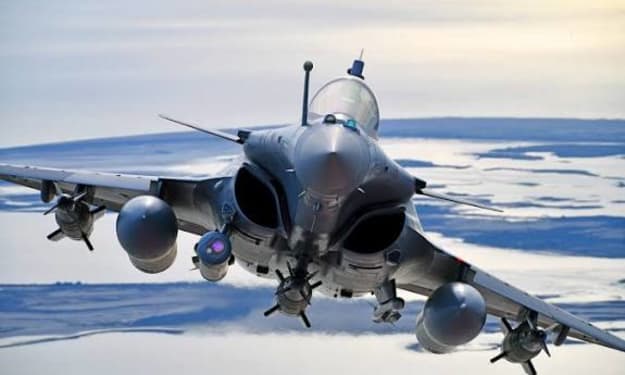
Indonesia Receives Rafale Advanced Fighter Jets From France in Major Upgrade
Southeast Asia strengthens air power with next-generation combat aircraft Indonesia has officially received Rafale advanced fighter jets from France, marking a significant upgrade for its air force. This move strengthens Indonesia’s defense capabilities and reflects its growing commitment to modernizing its military fleet. The Rafale jets, renowned for their speed, agility, and cutting-edge technology, will play a central role in the country’s air defense strategy. The delivery comes amid a region of rising tensions and increasing security challenges, where advanced military technology is critical to maintain balance and deterrence. About the Rafale Fighter Jet The Rafale is a multirole fighter jet developed by France’s Dassault Aviation. It is considered one of the most advanced aircraft in the world, combining speed, maneuverability, and advanced weapons systems. Some key features include: Delta wing design for superior aerodynamics State-of-the-art radar and avionics for detection and targeting Multirole capabilities, able to perform air-to-air combat, air-to-ground strikes, reconnaissance, and nuclear deterrence High precision weaponry and advanced missile systems The Rafale’s versatility allows it to operate in diverse combat scenarios, making it an ideal addition to Indonesia’s growing air force fleet. Indonesia’s Defense Modernization Indonesia’s acquisition of the Rafale jets is part of a broader military modernization program. The country has been upgrading its armed forces to respond to regional security concerns, including territorial disputes in the South China Sea, maritime security threats, and transnational crimes. The introduction of Rafale jets will: Enhance air defense capabilities with superior radar, speed, and weapon systems Boost deterrence against potential threats in Southeast Asia Strengthen Indonesia’s ability to conduct joint military operations with regional allies Provide technology transfer and training opportunities for the Indonesian Air Force Experts say these jets will help Indonesia maintain strategic parity with neighboring nations and improve the country’s overall military readiness. Collaboration Between Indonesia and France The Rafale deal reflects strong defense cooperation between Indonesia and France. Beyond selling the aircraft, France provides training, maintenance support, and technology integration to ensure smooth operations. French officials emphasized that this delivery: Strengthens bilateral relations between the two countries Offers opportunities for joint exercises and knowledge sharing Ensures Indonesia can fully utilize the capabilities of the Rafale fleet The partnership also signals France’s growing role as a key defense partner in Southeast Asia, offering advanced military technology and expertise. Regional Security Implications The delivery of Rafale jets to Indonesia is closely watched by defense analysts across Asia. Southeast Asia is seeing an arms modernization trend, with countries investing in advanced fighter jets, naval vessels, and missile systems to secure their territories. For Indonesia, the Rafale: Sends a clear message of strengthened national defense Enhances the country’s air superiority in potential conflict zones Contributes to maritime security in the region, including the South China Sea Analysts believe that the jets will also allow Indonesia to participate more actively in joint military drills with allies, increasing regional stability and preparedness. Training and Operational Readiness Acquiring the jets is only part of the process. The Indonesian Air Force is undergoing intensive pilot training and technical preparation to operate and maintain the Rafale fleet effectively. Training programs include: Simulated combat exercises to familiarize pilots with advanced avionics Maintenance and repair courses for ground crews Integration of weapons and radar systems into operational routines This ensures that the jets will reach their full operational potential while minimizing risks and maximizing efficiency. Economic and Technological Benefits Beyond military capabilities, the Rafale acquisition has economic and technological benefits for Indonesia. The deal includes technology transfers and joint maintenance programs, which can: Enhance local aerospace and defense skills Create high-skilled jobs in aviation and defense sectors Provide opportunities for future collaboration in defense technology development Experts argue that such acquisitions not only improve defense readiness but also contribute to long-term industrial growth and innovation in the country. Conclusion Indonesia’s receipt of Rafale advanced fighter jets from France marks a major milestone in its military modernization journey. The jets provide cutting-edge capabilities, versatile combat options, and strategic deterrence. By partnering with France, Indonesia gains not only the aircraft but also training, technological support, and operational expertise that ensure the fleet’s effectiveness. In a region with growing security challenges and competitive military modernization, these jets enhance Indonesia’s defense posture while fostering international cooperation. For the Indonesian Air Force, the Rafale is not just an upgrade—it is a strategic leap toward advanced, reliable, and globally competitive air power.
By Fiaz Ahmed 8 days ago in Longevity
Essence, Embodiment, and Relational Reality
The Failure of Reduction and the Need for Synthesis There is a persistent failure in many modern attempts to explain what a human being is. Some frameworks reduce the person entirely to matter, insisting that identity, consciousness, morality, and meaning are nothing more than emergent properties of physical processes. Other frameworks move in the opposite direction, detaching spirit from reason and grounding belief in intuition alone, often at the cost of coherence or accountability. Both approaches fail because both misunderstand essence. One denies that essence exists at all. The other treats it as something vague and undefinable.
By Peter Thwing - Host of the FST Podcast8 days ago in Longevity
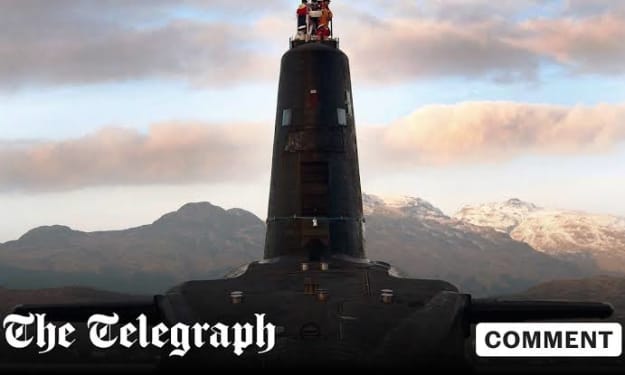
Seagoing Nuclear Power is a Great Commercial Opportunity for Britain. AI-Generated.
Floating nuclear technology could transform energy, industry, and global exports Britain is exploring a bold path in energy innovation: seagoing nuclear power. Also known as floating nuclear reactors, this technology has the potential to revolutionize how energy is produced, delivered, and exported. Experts suggest that Britain’s existing nuclear expertise, combined with its shipbuilding capabilities, could position the country as a leader in this emerging industry.
By Fiaz Ahmed 8 days ago in Longevity
Resistance Is Not the Enemy
Iron sharpens iron. Brakes save lives. Friction preserves form. Modern culture treats resistance as failure. Anything that slows momentum is framed as obstruction, anything that introduces friction is assumed to be opposition, and anything that interrupts progress is labeled a setback. But this instinct misunderstands how both physical systems and human growth actually work. Resistance is not inherently hostile. In many cases, it is the only thing preventing collapse.
By Peter Thwing - Host of the FST Podcast8 days ago in Longevity
The Refiner’s Fire Is Not the Whetstone
There is a difference between being sharpened and being transformed, and confusing the two leads to frustration when growth does not feel productive. Sharpening implies refinement of existing form. Fire implies change in composition. Both processes are uncomfortable, but they operate on different levels and for different purposes. When people expect sharpening and receive fire instead, they often assume something has gone wrong, when in reality something deeper is taking place.
By Peter Thwing - Host of the FST Podcast8 days ago in Longevity
You See From Where You Stand
"The room remains full whether you can see it or not." One of the most persistent misunderstandings about perception is the assumption that seeing is the same as knowing. People often believe that if something feels clear, it must be complete, and if something feels obscure, it must be absent. But awareness does not work that way. What you perceive at any moment is not a measure of what exists. It is a measure of what your current position allows to pass through.
By Peter Thwing - Host of the FST Podcast8 days ago in Longevity
In the Desert, They Are Building an “Artificial Sun” to Power Cities. AI-Generated.
How cutting-edge solar technology could transform energy production In a vast desert, engineers and scientists are working on a groundbreaking project: building an “artificial sun” to provide clean and nearly limitless energy for cities. This ambitious initiative aims to replicate the power of the sun on Earth, using advanced solar technology to generate electricity more efficiently than conventional solar panels.
By Fiaz Ahmed 9 days ago in Longevity