
"Naegleria fowleri: The Brain-Eating Amoeba"
"Understanding Naegleriasis, a Rare and Dangerous Infection"

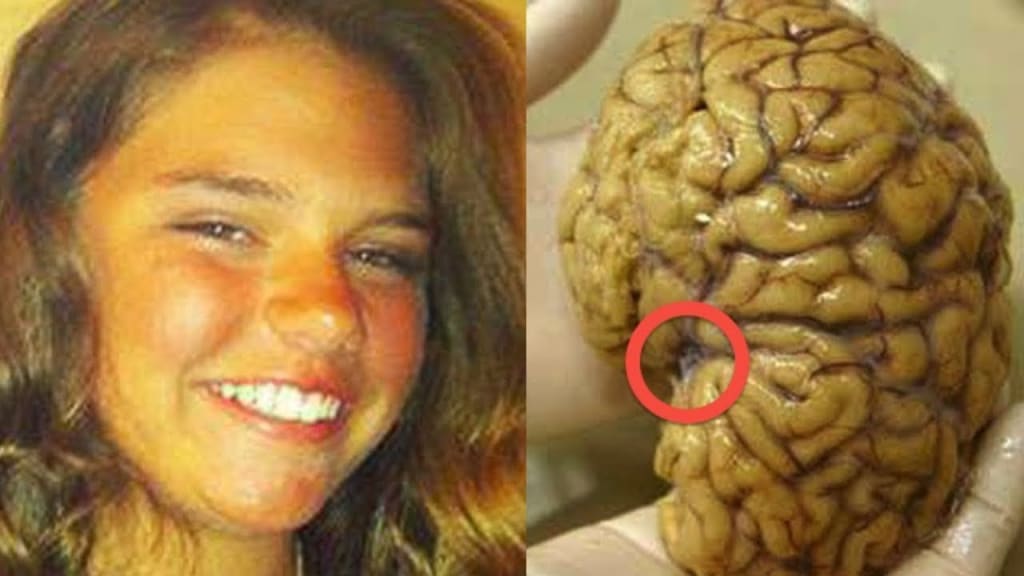
Naegleria, commonly known as "brain-eating amoeba," is a free-living amoeba found in warm freshwater environments such as lakes, rivers, and hot springs. The species Naegleria fowleri is responsible for causing the rare but severe infection known as naegleriasis.
Naegleriasis typically occurs when contaminated water enters the human body through the nose. Once inside, the amoeba can travel up the olfactory nerve to the brain, leading to a serious and often fatal infection of the central nervous system.
Initial symptoms of naegleriasis may resemble those of a common cold, such as fever, headache, and nausea. However, the infection quickly progresses, causing more severe symptoms like stiff neck, confusion, seizures, hallucinations, and coma. The disease progresses rapidly, usually leading to death within one to two weeks after the onset of symptoms.
It's important to note that naegleriasis is exceedingly rare, and the risk of infection can be minimized by following some precautions when engaging in water-related activities. These precautions include:
1. Avoiding activities that involve water entering the nose, such as diving or jumping into warm freshwater bodies.
2. Using nose clips or holding the nose shut when participating in water-related activities in warm freshwater.
3. Keeping swimming pools and hot tubs properly maintained with appropriate chlorination levels to prevent the growth of amoebae.
If there is a suspicion of naegleriasis, early diagnosis and treatment are critical. However, due to the rapid progression of the infection, it is often difficult to treat effectively.
Remember, while naegleriasis is a severe condition, the risk of infection remains very low, and being aware of preventive measures can help ensure safe water-related activities.
Naegleria fowleri is a single-celled amoeba that thrives in warm freshwater environments with temperatures typically between 25°C to 45°C (77°F to 113°F). This amoeba has a unique life cycle that consists of three stages: the cyst, the trophozoite, and the flagellate stage. The trophozoite is the active feeding stage and is responsible for causing infection in humans.
While Naegleria fowleri is most commonly associated with freshwater bodies, it can also be found in soil and poorly maintained swimming pools, where warm water provides a conducive environment for its growth.
Infections caused by Naegleria fowleri are exceptionally rare but extremely dangerous. The amoeba enters the body through the nasal passages when contaminated water is forced up the nose, typically during activities like diving, jumping, or water sports. It then travels through the olfactory nerve to the brain, where it starts to destroy brain tissue, leading to the development of primary amoebic meningoencephalitis (PAM).
Naegleriasis is not transmitted through ingestion of contaminated water or by person-to-person contact. It solely affects individuals when water carrying the amoeba enters the nasal passages.
Due to its rapid progression and devastating effects, the fatality rate of naegleriasis is extremely high. There have been very few reported cases of survival, and even those cases involved early diagnosis and aggressive treatment.
To diagnose naegleriasis, a sample of cerebrospinal fluid is usually taken for analysis. However, this diagnosis is challenging as the symptoms are initially nonspecific and similar to those of other more common illnesses, which can lead to delayed treatment.
Preventive measures are crucial in avoiding naegleriasis. Simple steps, such as using nose clips or keeping the nose shut when participating in water activities, can significantly reduce the risk of water entering the nasal passages.
Overall, while naegleriasis is a terrifying and potentially fatal infection, it remains an exceptionally rare occurrence. Being informed about the risks and taking appropriate precautions when engaging in water-related activities can help protect against this devastating brain-eating amoeba.
Despite its terrifying nickname as the "brain-eating amoeba," Naegleria fowleri is actually a naturally occurring organism in freshwater ecosystems and plays a role in the environment's ecology. It feeds on bacteria and other microorganisms present in warm waters, contributing to the natural balance of aquatic ecosystems.
While the amoeba can cause naegleriasis, it's essential to keep in mind that infections are extremely rare. The Centers for Disease Control and Prevention (CDC) in the United States reports an average of only 1 to 8 cases per year in the country. Other regions with warm climates may also report isolated cases sporadically.
The rarity of infections can be attributed to several factors. Firstly, Naegleria fowleri prefers stagnant, warm waters, which are less common in well-maintained swimming areas. Secondly, most individuals exposed to the amoeba do not develop the infection due to various immune responses and other protective mechanisms.
Researchers and health authorities continue to study Naegleria fowleri to gain a better understanding of its biology, transmission, and potential treatment options. Public health agencies work to raise awareness about the infection and promote preventive measures, especially during warmer months when people are more likely to engage in water-based activities.
If someone develops symptoms like severe headaches, fever, stiff neck, and other neurological issues after recent exposure to warm freshwater, they should seek immediate medical attention. Early diagnosis and treatment increase the chances of a positive outcome, although, unfortunately, the prognosis remains grim in most cases.
While Naegleria fowleri and naegleriasis can be frightening topics, it's essential to keep in mind that infections are exceedingly rare. By staying informed, taking preventive measures, and seeking prompt medical attention if symptoms arise, individuals can continue to enjoy water-based activities safely and without undue concern.
Kali Hardig's survival from a brain infection caused by brain-eating amoebas is an extraordinary and rare case. The fact that she pulled through this life-threatening condition can be attributed to several critical factors:
1. Early Diagnosis:Kali's condition was identified and diagnosed promptly. Early recognition of the infection is crucial in providing timely and appropriate treatment.
2. Aggressive Medical Treatment: She received aggressive medical intervention immediately after her diagnosis. Doctors likely administered antifungal and antimicrobial medications to combat the amoeba's growth and spread.
3. Induced Coma and Hypothermia Therapy: In some cases, inducing a coma and lowering the body's temperature can be used as part of the treatment to reduce brain inflammation and damage.
4. Experimental Treatments: Due to the severity of her condition, doctors may have considered experimental treatments or a combination of medications to increase the chances of survival.
5. Quality Healthcare Team: Kali had the support of a skilled and dedicated healthcare team, including doctors, nurses, and specialists who worked tirelessly to provide the best possible care.
6. Youth and Strong Immune System: As a 12-year-old child, Kali's young age and strong immune system might have played a role in aiding her recovery.
It's important to remember that Kali's survival is exceptional and not the typical outcome for brain-eating amoeba infections. The condition remains rare and very dangerous, with a low rate of survival. Therefore, prevention and early detection remain paramount.
To prevent brain infections caused by amoebas, individuals should avoid activities in warm freshwater environments where the amoeba is commonly found. If water-related activities are unavoidable, using nose clips or holding the nose shut can prevent contaminated water from entering the nasal passages.
Kali's case has likely contributed valuable information to the medical community's understanding of amoeba infections and may offer hope for future treatments. Nonetheless, further research and advancements are needed to improve outcomes for those affected by this rare and deadly condition.
About the Creator
Go With Trend
"Express, Connect, Impact - Welcome to "Go With Trend"!
Discover the magic of Letters on our vibrant platform. 🎙️ Share stories, sing your heart out, and connect with a global audience. 🌍 Unleash your creativity today! ✨ #"Go With Trend"
Keep reading
More stories from Go With Trend and writers in Longevity and other communities.
"Ultra-Processed Food: Understanding the Impact on Health and Navigating a Nutritious Diet"
In today's fast-paced world, food processing has become a common practice to enhance the flavor, texture, and shelf life of various products. However, the rise of ultra-processed food has sparked concerns about its impact on human health and the importance of maintaining a nutritional diet. This article aims to explore the concept of ultra-processed food, its implications on health, and how to maintain a healthy diet without resorting to these heavily processed options.
By Go With Trend3 years ago in Longevity
5 Habits You Should Integrate Daily For Balance, Health, and Success
Meditate. Take a walk. Get a workout in. Read a book that grows your mind. Stretch your body and take deep breaths. These five habits may look almost too simple to matter, but that is exactly why they work. They do not require special equipment, expensive memberships, or perfect conditions. They require intention and consistency. When practiced daily, they can significantly improve how you feel physically, mentally, and emotionally.
By Destiny S. Harris3 days ago in Longevity


Comments
There are no comments for this story
Be the first to respond and start the conversation.